
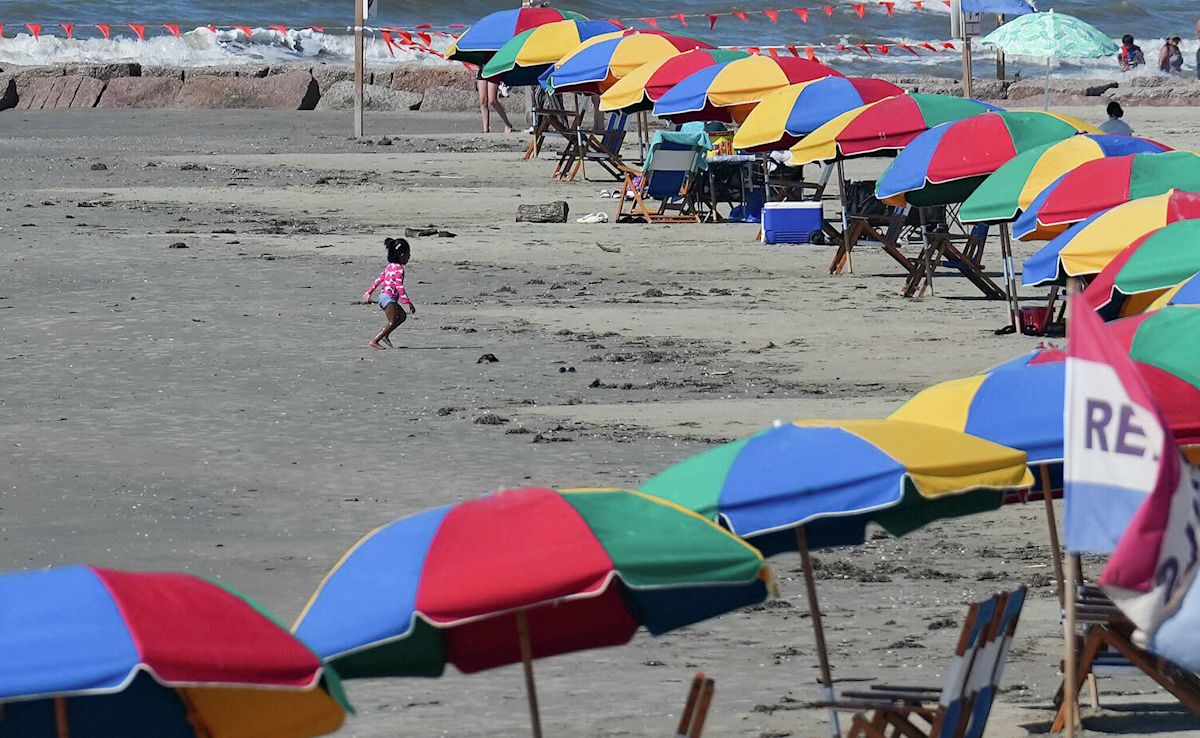
Beachgoers and coastal residents along sections of the upper Texas coast are being urged to exercise caution following the emergence of a harmful algal bloom commonly known as red tide. Environmental scientists and wildlife authorities have identified heightened health risks across popular beachfront destinations, where the presence of toxic algae has begun to harm marine life and create airborne respiratory hazards for visitors.
The alert was formally issued by the National Centers for Coastal Ocean Science after researchers gathered and analyzed water samples from the Gulf of Mexico between September 7 and September 11. Laboratory testing of the coastal waters confirmed the presence of *Karenia brevis*, a harmful algae species known for producing potent biological toxins when environmental conditions allow populations to multiply rapidly.
According to monitoring data published in the federal agency's Gulf Coast Red Tide Respiratory Forecast, the bloom is presenting immediate air quality and environmental concerns across several heavily visited shoreline locations. Specific areas highlighted in the advisory include Seawall Boulevard in the heart of Galveston, as well as several points along the Bolivar Peninsula, with notable alerts focused directly on Crystal Beach.
The respiratory forecast shows that visitors along Seawall Boulevard, the Bolivar Peninsula, and Crystal Beach face a high risk of respiratory irritation, with surrounding sections of Crystal Beach also experiencing moderate-to-high risk conditions. Scientists and forecasters tracking the bloom have indicated that this moderate-to-high risk classification will remain in place for the region through at least Tuesday.
Scientifically classified as a harmful algal bloom, red tide occurs when *Karenia brevis* cells rapidly reproduce in dense concentrations known as blooms. Under these conditions, the massive proliferation of microscopic organisms can cause surrounding coastal waters to take on a distinct reddish or brownish hue, providing a visible indicator of elevated biological activity in the surf.
The Texas Parks and Wildlife Department has outlined the severe ecological consequences linked to these large-scale algal blooms. As *Karenia brevis* cells thrive, they release destructive neurotoxins that attack the central nervous systems of marine creatures, effectively paralyzing fish and leaving them unable to survive in the affected waters.
Because these toxins quickly immobilize aquatic species, extensive fish kills typically follow in the wake of a bloom. In recent days, the physical toll on local marine life has become apparent along Texas beaches, where dead fish have been observed washing ashore in noticeable numbers.
Beyond the direct threat posed to marine ecosystems, red tide represents a tangible respiratory hazard for humans spending time near the ocean. When ocean waves break against the shoreline, especially in the presence of stiff onshore winds, the algal toxins are released into sea spray and carried inland through the air.
Inhaling these airborne toxins can trigger noticeable respiratory discomfort in beachgoers, including coughing, throat irritation, and shortness of breath. The presence of steady coastal breezes significantly accelerates the transport of these irritants from the surf zone to sandy shores and adjacent roadways, increasing the potential for irritation among beach visitors.
In light of the documented hazards, state conservation officials have issued clear guidance to help coastal travelers and local residents reduce their exposure and prevent accidental illness. The Texas Parks and Wildlife Department has stressed that specific safety measures must be taken regarding recreation, fishing, and seafood consumption.
State wildlife officials strongly advise the public against harvesting or eating self-caught oysters, clams, and other bivalve shellfish from affected waters. Because shellfish feed by filtering vast quantities of seawater, they accumulate dangerous concentrations of the algae's toxins within their systems, making them unsafe to eat. Consumers hoping to enjoy shellfish are advised to purchase and eat them at commercial restaurants instead.
At the same time, authorities noted that the toxins produced by *Karenia brevis* generally do not penetrate or contaminate the fleshy muscle tissue of finfish, crabs, or shrimp. Anglers are therefore permitted to harvest and consume these species, provided the animals are caught live and healthy. However, wildlife officials warn that under no circumstances should anyone harvest, prepare, or eat fish that appear diseased or are found dead along the beach.
This latest development marks a notable event for environmental monitors, representing the first red tide alert issued along the Texas coastline in three years. During the previous documented outbreak, elevated concentrations of the harmful algae lingered throughout the Galveston Bay area for approximately one month before dissipating.
As federal and state agencies continue to track *Karenia brevis* levels through continuous water sampling and atmospheric modeling, travelers heading to Galveston and surrounding coastal areas are advised to stay informed on local conditions. With elevated respiratory risks projected to continue into early next week, visitors are urged to monitor their symptoms, heed wildlife advisories, and take appropriate precautions when spending time near the water.





(0)