
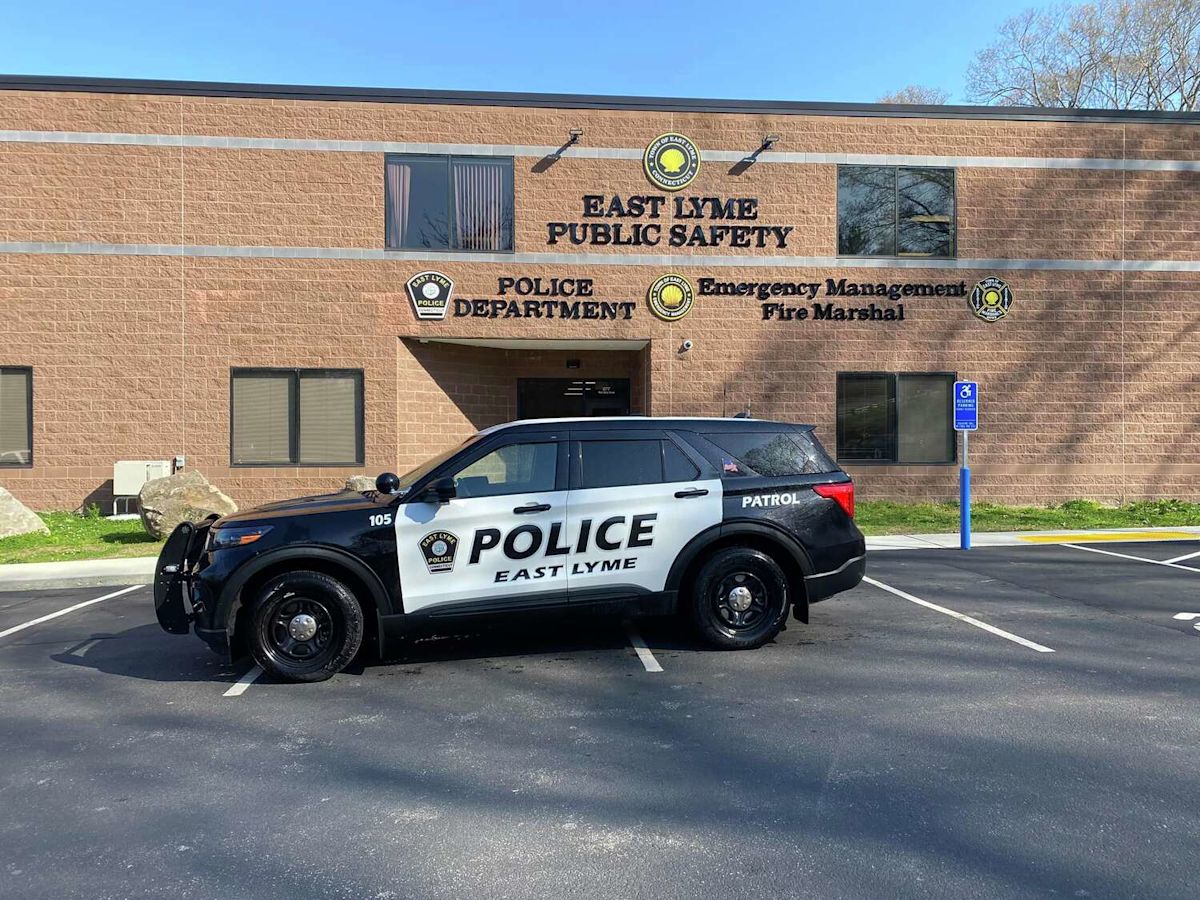
Law enforcement officers in East Lyme successfully recovered two separate stolen vehicles during a single overnight operation, relying on a synchronized combination of automated surveillance network alerts, tactical tire deflation systems, and rapid patrol deployments. The successive recoveries brought a swift conclusion to multiple property crime incidents spanning different residential sectors of the shoreline town.
The East Lyme Police Department detailed the overnight interdictions in a formal public announcement, explaining that modern license plate recognition capabilities, paired with swift officer execution and community alertness, proved decisive. The coordinated response enabled patrol units to neutralize two distinct auto theft occurrences before the perpetrators could execute further illicit actions or inflict wider harm across local neighborhoods.
The initial sequence of overnight events began when municipal Flock camera infrastructure detected a motor vehicle that had previously been logged as stolen from an outside municipality within Connecticut. As the flagged vehicle traversed municipal roadways and crossed into East Lyme jurisdiction, the automated recognition system instantaneously generated law enforcement notifications regarding the vehicle's active movement.
Because the electronic detection network flagged the stolen automobile before any suspicious activity had been observed by local citizens, the department possessed an immediate tactical advantage. Patrol officers were able to strategically converge and flood the surrounding operational zone with marked units well before any standard emergency 911 dispatch calls were placed by area residents.
Shortly after patrol units flooded the designated area, police received reports that the occupants traveling inside the stolen car had commenced criminal attempts to break into parked vehicles throughout the nearby Giants Neck neighborhood. The real-time alerts allowed law enforcement to narrow their operational search perimeter directly to that residential enclave.
Officers patrolling the Giants Neck vicinity located the suspect automobile within moments of receiving the break-in reports. Moving quickly to prevent an extended vehicular pursuit or further neighborhood property intrusions, responding officers successfully deployed stop sticks—specialized tactical tire-deflation devices—to disable the automobile and recover the stolen property without escalation.
The nocturnal enforcement operations were far from concluded following that initial recovery. Sometime after the Giants Neck incident was secured, emergency communications dispatchers received secondary calls indicating that a completely separate vehicular theft had just taken place within the Crescent Beach neighborhood of East Lyme.
Upon receiving the direct reports from Crescent Beach residents, police shifted their tactical focus to monitor outgoing roads and potential escape routes leading away from the coastal community. Dispatchers and patrol units worked in unison to track the newly stolen car’s direction of travel as it attempted to move across town.
Officers successfully intercepted the travel route of the vehicle taken from Crescent Beach. Employing the same tactical methodology that resolved the earlier incident, police positioned themselves along the path of travel and deployed stop sticks directly in the vehicle's trajectory, effectively immobilizing the car and bringing the second overnight auto theft to an immediate halt.
Following the conclusion of both tactical recoveries, the East Lyme Police Department commended the multi-faceted dynamics that led to the positive outcomes. Department leadership underscored that the quick resolution of both vehicular incidents demonstrated how technological infrastructure, community cooperation, and decisive field policing function best when working in concert.
In an official statement addressing the dual recoveries, the police department underscored that the overnight events served as an exceptional demonstration of how technology, attentive residents, and the quick response of local officers can come together to make a measurable difference and prevent further criminal acts within the municipality.
The integration of automated license plate readers, such as the Flock camera systems utilized in East Lyme, represents an expanding operational standard for contemporary municipal law enforcement agencies. By instantly cross-referencing registration data against state and regional databases of stolen property, these cameras provide early warnings that allow officers to transition from purely reactive responses to proactive tactical positioning.
Simultaneously, the deployment of stop sticks serves as a vital tactical asset for modern patrol divisions looking to minimize the hazards inherent in motor vehicle apprehensions. By utilizing tire-puncturing spikes to produce controlled deflation rather than abrupt vehicular collisions, law enforcement can safely immobilize fleeing or stolen vehicles while significantly reducing safety risks to pedestrians, motorists, and responding officers.
Beyond mechanical and automated resources, the overnight events underscored the foundational importance of active community involvement. The timely phone calls and information provided by vigilant residents in both the Giants Neck and Crescent Beach neighborhoods provided officers with crucial situational details, ensuring that tactical units could quickly locate the target vehicles and execute precise interdictions.
The overnight recoveries in East Lyme highlight how municipal departments can successfully address cross-jurisdictional vehicle thefts that spill into shoreline communities. By maintaining modern technological tools, strategic tire-deflation devices, and strong communication channels with the public, local authorities demonstrated a comprehensive model for swiftly curtailing vehicular property crime.






(0)