
Durham County commissioners have taken a decisive step in addressing local gun violence by unanimously adopting a resolution in support of a strategic blueprint put forward by the Durham Violence Reduction Working Group. The measure formalizes the local government's commitment to advancing a multifaceted approach centered on prevention, intervention, and deep-rooted neighborhood engagement.
The adoption of the resolution comes at a critical juncture for the city, as local leaders, law enforcement officials, and community advocates continue to search for durable solutions to reduce firearm offenses. By endorsing the working group's proposals, county officials aim to establish coordinated public safety efforts that address the root drivers of neighborhood violence while offering immediate support to communities experiencing heightened risk.
The policy initiative unfolds against a complex local crime backdrop. According to the latest statistics compiled by the Durham Police Department through September 5, overall violent crime across the city rose by 4 percent compared to the identical timeframe in the preceding year. While municipal data indicates that homicides have trended downward during this period, overall violent incidents have remained a pressing concern for residents and municipal leaders alike.
Public input played a central role during the proceedings leading up to the board's vote. Among those who addressed the commissioners was Kalilah Donald, a longtime Durham resident of nearly thirty years and a former corrections officer. Donald emphasized the fundamental importance of ensuring that grassroots perspectives and the voices of everyday citizens are actively integrated into municipal decision-making processes.
Drawing upon her professional background in corrections and her decades of residency in Durham, Donald pointed out that people who have lived through violent environments offer vital insights that policymakers cannot afford to overlook. She noted that individuals with direct exposure to these difficult circumstances possess a practical understanding of neighborhood dynamics, making their involvement essential when designing viable, long-term remedies.
Donald further stressed the necessity of early educational interventions, urging officials to leverage local schools to teach constructive problem-solving methods. By introducing structured discussions and debate programs into academic environments, she argued, young people can learn effective methods to de-escalate disputes and resolve interpersonal tensions without resorting to firearms.
The newly endorsed resolution formally embraces five central recommendations crafted by the Durham Violence Reduction Working Group. The first pillar focuses on establishing a focused deterrence strategy specifically designed to engage individuals and organized groups identified as facing the highest statistical risk of perpetrating or falling victim to violent encounters.
A second key component of the framework calls for reinvesting in community-based street outreach initiatives. The working group underscored that while grassroots outreach workers are critical in mediating street-level conflicts before they turn lethal, these programs must operate with robust operational safeguards and oversight mechanisms to protect participants and maximize effectiveness.
The third strategy establishes place-based pilot partnerships targeted directly at geographic areas that record the highest concentrations of violent incidents. By focusing county resources, municipal services, and community organizations on these specific hot spots, local leaders hope to destabilize localized cycles of crime and foster safer physical environments.
Recognizing the psychological impact of repeated exposure to trauma, the fourth recommendation incorporates trauma-informed cognitive behavioral techniques into intervention programs. These therapeutic methods are designed to help high-risk individuals manage emotional distress, reshape decision-making patterns, and navigate complex personal conflicts without turning to violence.
The fifth and final recommendation mandates the convening of a dedicated Youth Summit on Saving Lives. This gathering is designed to bring young community members directly into the policy conversation, offering a platform to address the distinct socioeconomic pressures, educational challenges, and safety concerns currently confronting Durham's younger demographic.
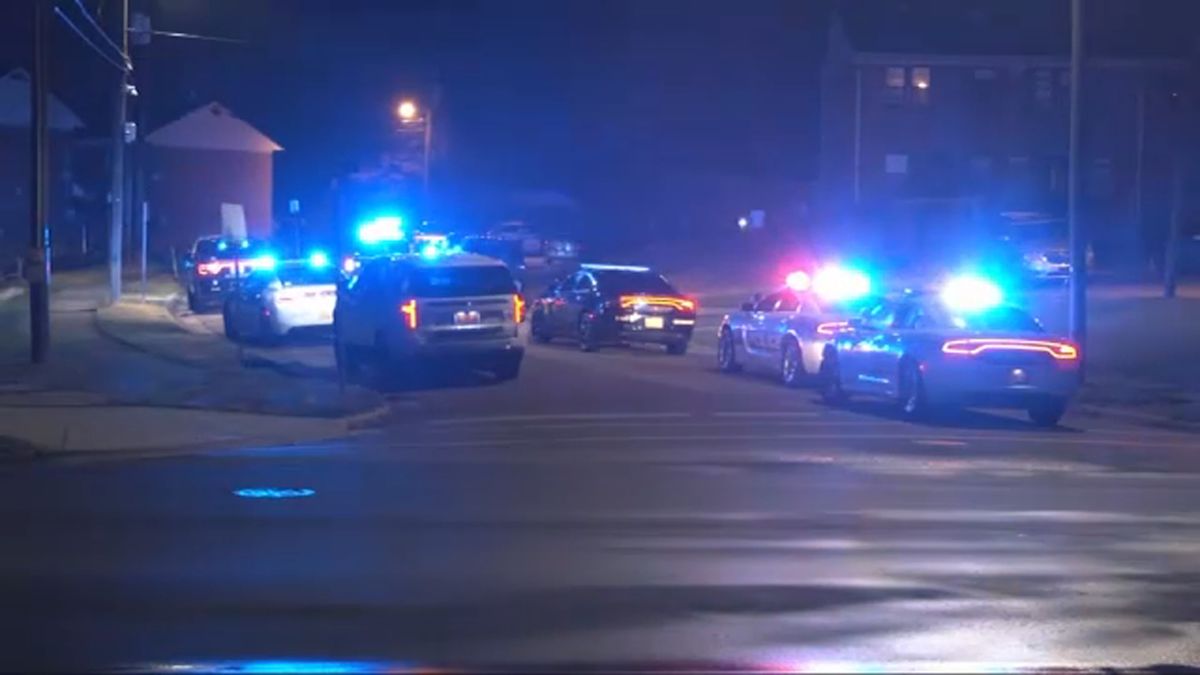
The urgency surrounding the commissioners' decision was heightened by a fatal shooting that occurred over the preceding weekend. Police reported that Victoria James was killed while sitting inside her vehicle along the 5300 block of Revere Road. James was in the automobile with her two children when gunfire erupted; her young daughter suffered injuries during the attack, while her son survived the incident without physical harm.
The tragic killing has reverberated throughout the local community, highlighting the human toll of ongoing firearm disputes. Law enforcement authorities subsequently arrested and charged 38-year-old Lontrel Alston with first-degree murder in connection with the homicide. Judicial records indicate that Alston was previously convicted of assault on a female in a separate legal case dating back to 2018.
The victim's mother, Judy Ober Hughes, publicly expressed her grief following the incident, speaking candidly about the devastating void left behind by her daughter's sudden death. Hughes lamented that her daughter's life was taken senselessly in front of her children, leaving the family to cope with the profound emotional aftermath of an unprovoked tragedy.
Following his arrest, Alston was ordered held in custody without bond as legal proceedings against him move forward. Court records show that the defendant is scheduled to make his next appearance before a judge in the coming month.
With the formal passage of Monday's resolution, Durham County officials have signaled their intent to move from conceptual planning to actionable implementation. The board's endorsement sets the stage for collaborative work among local agencies, community organizations, and residents to execute the five strategic pillars and build a safer environment across Durham.




(0)