
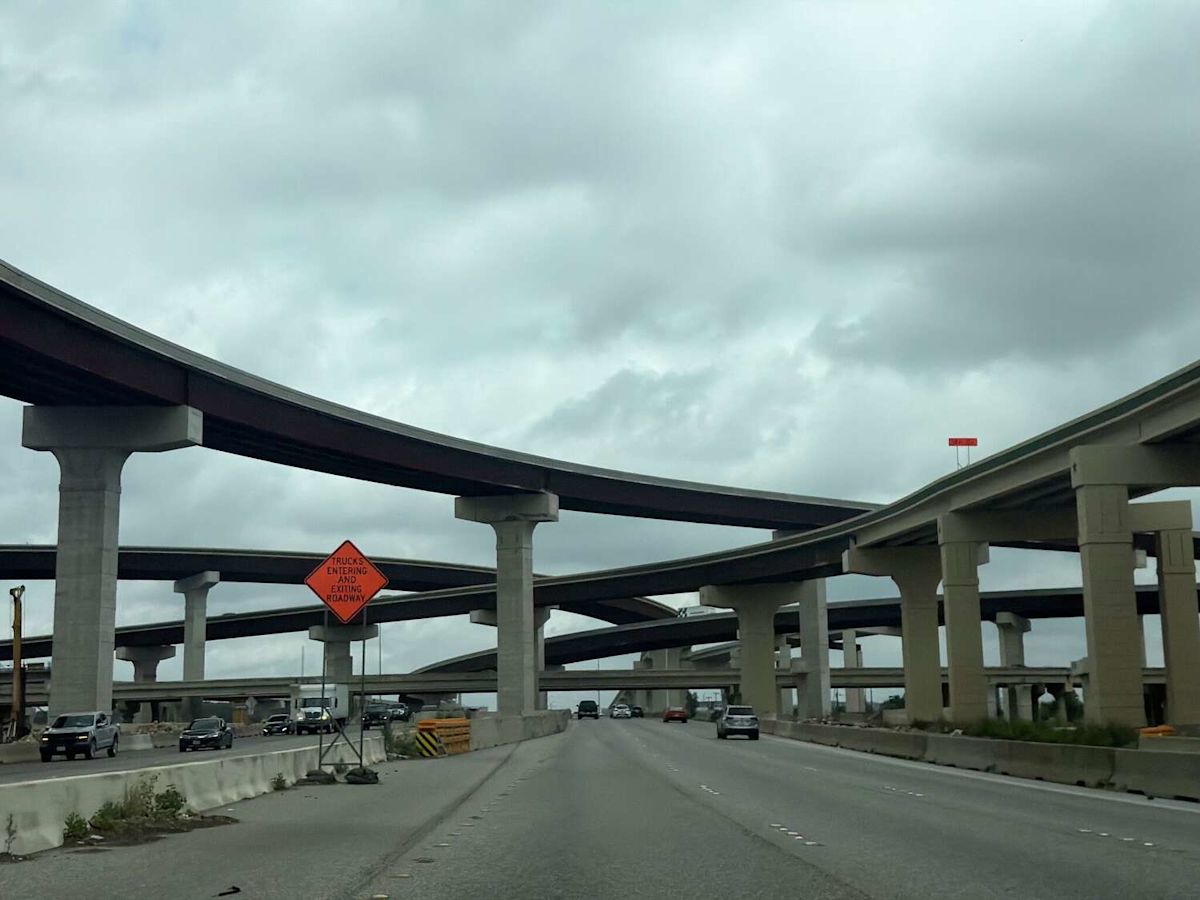
Motorists navigating the northwest corridor of San Antonio are being urged to prepare for significant travel adjustments as state transportation officials permanently decommission a critical highway connection. The Texas Department of Transportation has officially initiated the permanent closure of the eastbound Interstate 10 entrance ramp situated just south of the Loop 1604 interchange, marking another major milestone in ongoing regional infrastructure adjustments.
The permanent shutdown took effect at 5 a.m. on Monday, September 14, altering daily travel patterns for thousands of area commuters. The affected interchange area sits adjacent to several major retail and educational hubs, meaning drivers heading away from The Shops at La Cantera or traveling toward the University of Texas at San Antonio and UTSA Boulevard will face direct impacts to their normal routes.
State transportation authorities confirmed the closure through an official agency announcement, explaining that removing this specific access point is essential for ongoing and future construction activities. According to highway planners, shutting down the ramp allows construction teams to advance necessary roadway modernization and structural improvements in the heavily traveled corridor.
While the loss of this long-standing entrance will inevitably create immediate disruptions, agency officials noted that a replacement exit ramp is scheduled to open later in the year. In the meantime, commuters and local visitors must brace for noticeable delays that are anticipated to persist for several months as traffic redistributes across alternative access routes.
To help mitigate anticipated gridlock, transportation planners have established multiple designated detour routes for drivers traveling from different directions. Motorists already traveling on the eastbound Interstate 10 frontage road are being instructed to remain on the surface roadway as they approach the construction zone.
Under this first detour plan, drivers must continue southward along the eastbound I-10 frontage road, proceeding directly through the signalized intersections at UTSA Boulevard and Hausman Road. Once motorists clear the Hausman Road intersection, they will be able to access the eastbound Interstate 10 main lanes using the entrance ramp located just south of that crossing.
For motorists traveling along the eastbound Loop 1604 frontage road who need to enter eastbound Interstate 10, a multi-step detour has been established. These drivers must first utilize the eastbound-to-westbound Loop 1604 U-turn turnaround located directly at the primary Interstate 10 interchange.
After completing the initial turn, motorists will merge onto the westbound Loop 1604 frontage road and continue until reaching the turnaround at Kyle Seale Parkway. Drivers must execute the U-turn at Kyle Seale Parkway to rejoin the eastbound Loop 1604 frontage road, take the initial entrance ramp onto the eastbound Loop 1604 main lanes, and stay in the right-hand lane to connect to eastbound Interstate 10 via the elevated flyover direct connector.
A separate detour has also been outlined for motorists traveling from westbound Loop 1604 toward eastbound Interstate 10. For this movement, the department advises drivers to follow the eastbound Loop 1604 frontage road straight through the Interstate 10 interchange toward Northwest Military Highway.
Upon arriving at the Northwest Military Highway intersection, drivers must execute a U-turn to access the westbound Loop 1604 frontage road. From there, motorists are instructed to take the first available entrance ramp to enter the westbound Loop 1604 main lanes, keeping right to navigate onto the dedicated flyover ramp that provides direct access to eastbound Interstate 10.
This ramp modification represents a key component of the broader Loop 1604 North Expansion Project, an ambitious $1.4 billion infrastructure program currently transforming northwest Bexar County. The expansive project encompasses comprehensive upgrades across a 23-mile stretch of highway, extending all the way from State Highway 16, also known as Bandera Road, eastward to Interstate 35.
According to agency planners, the overarching mission of the multibillion-dollar expansion is to substantially expand vehicular capacity, minimize chronic traffic delays, and enhance safety standards along what has consistently ranked as one of the most heavily congested highway corridors in Texas.
The expansion effort is part of the Texas Clear Lanes initiative, an extensive statewide program backed by the Texas Transportation Commission. The program specifically targets high-volume choke points across major metropolitan areas to relieve severe gridlock and modernize vital freight and commuter arteries.
With an overall estimated completion target set for 2028, drivers in the northern San Antonio area can expect ongoing detours, construction zones, and evolving traffic patterns as crews continue working toward the broader project's long-term mobility goals.





(0)