
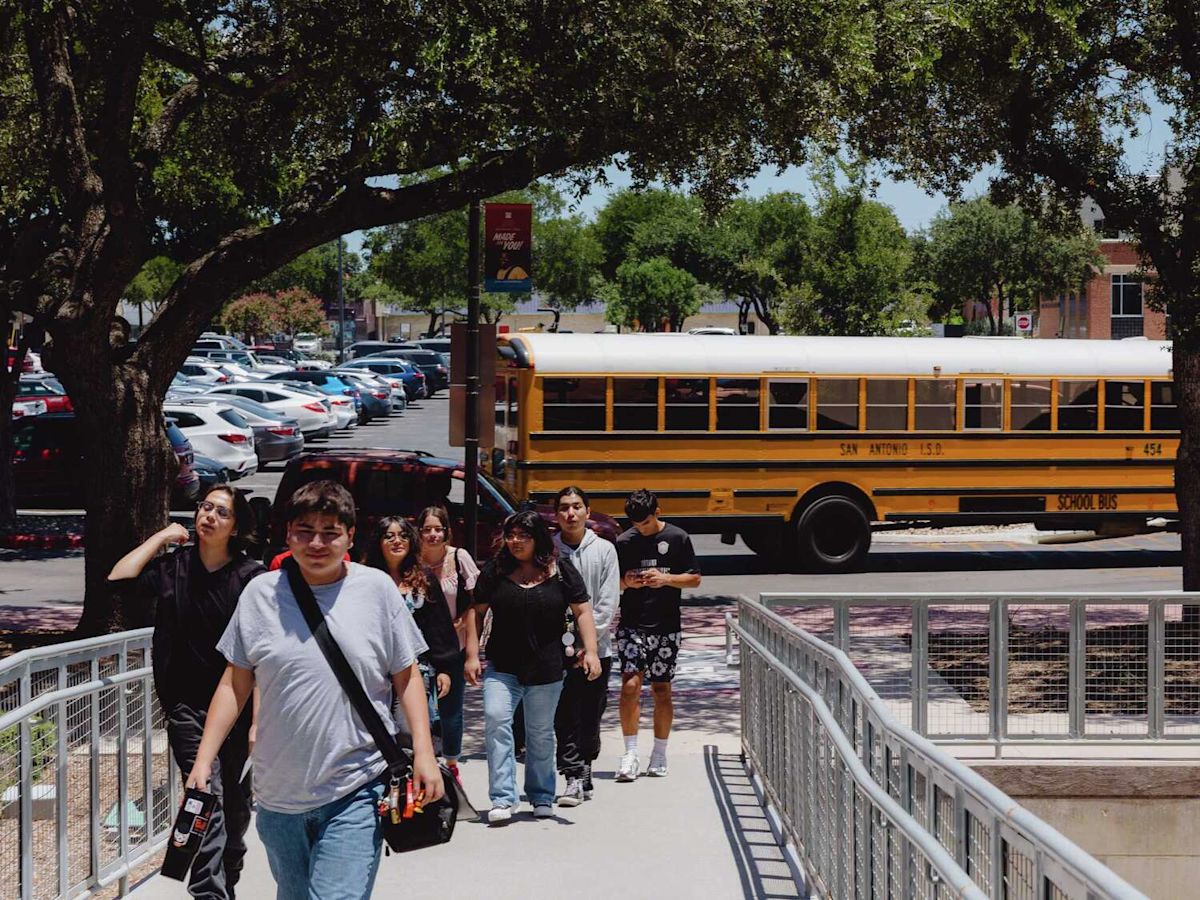
Public school systems throughout the San Antonio metropolitan area are navigating persistent transportation challenges as the school year gets underway. While one major district has seen a notable rebound in staffing, several other prominent school systems continue to struggle with significant bus driver vacancies that complicate daily operations and route planning.
The staffing disparities are particularly evident across three of the area's four largest school systems: Northside, San Antonio, and Judson Independent School Districts. Each continues to search for qualified personnel to transport students safely to campus, reflecting a broader nationwide shortage of certified commercial drivers.
Funding constraints at the state level have added to the difficulty of recruiting and retaining drivers. Under Texas funding guidelines, public school systems receive approximately $1 per bus mile traveled, and this allocation is strictly limited to students residing more than two miles away from their assigned campuses. These state funds must be stretched to cover vehicle maintenance, gasoline, operational overhead, and employee compensation packages.
In Northside ISD, the transportation department is operating under acute staffing pressures alongside a wider district budget deficit of $38 million. Transportation Director Tesilia Soliz confirmed that the district is currently attempting to fill 35 standard bus driver openings, 40 bus assistant positions, and 15 minibus driver vacancies, noting that minibus roles do not require a commercial driver's license.
Because of the multi-million-dollar budget deficit, Northside ISD implemented a salary freeze for transportation staff rather than providing the customary 2% to 3% annual pay increase. Soliz noted that eliminating this anticipated compensation bump intensified existing hurdles in hiring and retaining personnel, ultimately forcing the department to adjust how routes are serviced.
To ensure all students can reach their campuses despite the driver shortage, Northside ISD had to consolidate multiple routes across the district. In several instances, the department merged two separate routes carrying 30 students each onto a single bus capable of carrying 50 to 70 passengers, filling the vehicles to maximum capacity.
This consolidation strategy effectively doubled the distance of certain routes and extended the total amount of time children spend riding the bus each morning and afternoon. Soliz acknowledged that prolonged travel times are far from ideal for families, emphasizing that staff members are doing everything possible to maximize the limited resources at their disposal.
Relief could hinge on local ballot outcomes later this fall. Soliz expressed hope that if district voters approve a proposed tax increase scheduled for November 3, Northside ISD will be able to utilize new revenue to reinstate salary increases for transportation workers and bolster hiring efforts.
Wage competition from private industry presents another major roadblock for school districts seeking commercial drivers. While the four largest San Antonio-area districts pay trainees while they prepare for and earn their commercial driver's licenses, public schools often cannot compete with the earnings potential offered by commercial trucking firms.
According to data compiled by the U.S. Bureau of Labor Statistics, heavy and tractor-trailer truck drivers earn an average annual salary of $58,640. In contrast, standard school bus drivers nationwide earn an average of $49,390 per year, creating a pay gap of more than $9,000 that encourages licensed drivers to pursue commercial freight positions.
Nearby in Judson ISD, transportation officials are working to overcome their own staffing shortages. The district requires 10 additional drivers to achieve a complete staff, a status that includes maintaining a pool of substitute drivers capable of stepping in when regular employees take leave or call in sick.
During an August 27 special board meeting, Judson ISD Transportation Director Earl Stewart reported that the system operated 84 total bus routes and was short five active drivers at that time. Routes within the district typically encompass three distinct trips each day to accommodate designated elementary, middle, and high school schedules.
The issue drew inquiry from Judson ISD Trustee Stephanie Jones, who addressed concerns voiced by local residents about potential departmental understaffing. In response, Stewart explained that while absenteeism creates periodic daily strains, the department is not broadly overwhelmed and is working to prevent bus overcrowding while keeping drop-off schedules punctual.
Meanwhile, San Antonio ISD is also managing driver deficits across its network, reporting 16 vacancies among its approximately 125 total bus routes. Similar to neighboring districts, administrators and existing drivers across the region have frequently had to step up to drive supplementary routes and cover unfilled shifts.
In contrast to its neighbors, North East ISD represents a rare bright spot in the regional transportation landscape. Executive Director of Transportation Bill Harrison stated that NEISD’s bus fleet is currently at its most complete staffing level since before the COVID-19 pandemic began in 2020, with only 12 open driver positions across its expansive network of more than 200 routes.








(0)