
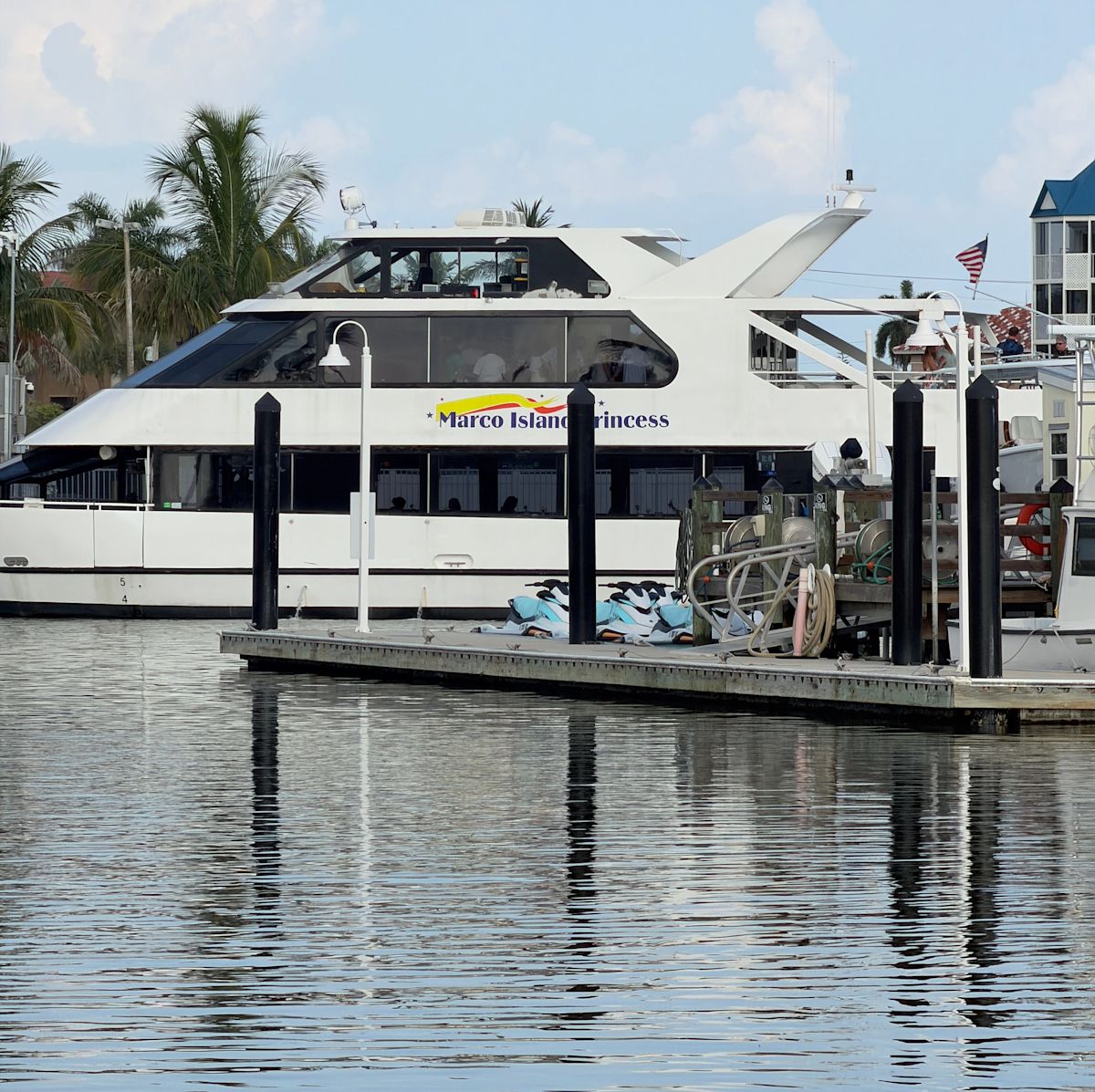
Following an intense public hearing that stretched into the early morning hours, the Marco Island City Council voted to approve key variance requests for Rose Marina. The decision, finalized at 12:55 a.m. following a meeting on September 10, marks a major milestone for the long-standing waterfront facility as it moves forward with plans to add a 200-seat restaurant, reconfigure its docks, and expand on-site parking.
The approvals came in a 4-2 vote, granting the marina a variance for garbage and landscaping requirements, a conditional use permit for boat storage, and an additional variance for dock reconfiguration. This regulatory victory clears the path for the marina to execute a site development plan that had previously secured a 5-2 recommendation from the city's planning board in July.
Securing municipal consent for the project proved to be a lengthy and rigorous undertaking. The process unfolded over two years, requiring nine hours of planning board deliberations and another seven and a half hours of debate during the decisive City Council session, where passionate residents packed the chamber until nearly 1 a.m. to voice their perspectives.
Established in 1969, Rose Marina is a family-owned commercial institution situated at 951 Bald Eagle Drive. Under its existing C-5 zoning designation, the proposed 200-seat restaurant overlooking and overhanging Factory Bay is already classified as a permitted use. However, the site development required specific adjustments to accommodate the dining establishment alongside existing parking demands for charter captains, rental boat patrons, and commercial vessel operations.
Throughout the extended evening, public testimony showcased a community deeply divided over development and island character. Supporters emphasized the marina's multi-decade history and its identity as a local family enterprise, while opponents voiced strong apprehensions about rapid growth, island overcrowding, and potential deviations from standard procedural oversight.
A recurring theme among concerned citizens was the impact of larger passenger vessels visiting the commercial marina. Resident Mario Curiale captured this sentiment during public comments, stating that while the restaurant itself was not his primary concern, the influx of larger ships risked transforming Marco Island into a congested tourist hub akin to Key West with trolley carts, urging officials to protect the island's unique ambiance.
Although commercial cruise vessels were not an official agenda item for the variance vote, their presence and frequency emerged as the central debate for both community members and council members. Many residents expressed a desire for municipal intervention to restrict larger ships from accessing the privately owned marina.
Addressing these concerns, representatives detailed the nature and scale of the ships docking at the facility. Small-ship operators like American Cruise Line run coastal vessels measuring between 243 and 248 feet, capable of accommodating up to 130 passengers. The company's Key West itinerary includes scheduled stops at Marco Island featuring ships such as the American Maverick, American Pioneer, and American Ranger, alongside the American Patriot.
Land-use attorney Zach Lombardo, representing Rose Marina, provided legal and operational background to the council, noting that the presence of commercial passenger vessels is not a new development. He pointed out that accommodations for passenger ships had been integrated into the marina's approved site plan as far back as 2003, during another heavily contested dock extension proceeding.
Lombardo also sought to dispel comparisons between the boutique vessels visiting Marco Island and mega-liners operated by major international cruise lines. The ships visiting Rose Marina are substantially smaller than mega-class ships from operators such as Carnival, which reach lengths between 855 and 1,130 feet, or Disney vessels that span roughly 1,082 feet.
Logistical practicalities also reduce the local vehicular footprint of arriving cruise passengers. Because these coastal cruises do not originate on Marco Island, passengers do not bring personal vehicles that require parking spaces. Instead, transit to and from the docks is managed via designated tour buses under strict operational limits, restricted to three buses and no more than 150 passengers at one time.
Physical dock infrastructure further limits vessel traffic. During questioning by Council Chairman Darrin Palumbo regarding maximum operational capacities, Lombardo explained that dock dimensions impose strict physical constraints. With the facility's A Dock measuring no more than 362 feet, visiting ships are inherently limited in size to ensure safe navigation and berthing.
Lombardo addressed resident fears regarding theoretical vessel capacity caps, which permit up to four boats carrying over 100 passengers across Factory Bay and Magnolia waterway. He emphasized that catastrophic scenarios of 1,200 passengers disembarking simultaneously are structurally and logistically impossible under the site development constraints and parking realities.
To further protect local interests, the planning board attached specific stipulations to the project. Under the approved conditions, commercial debarkation vessels are prohibited from remaining at Rose Marina overnight, with exceptions granted only in the event of severe weather emergencies.
The impending construction has already impacted current maritime operations at the property. The Key West Express ferry service announced in August that it would pause operations from Rose Marina during the upcoming winter season to accommodate dock and parking renovations, noting it plans to resume normal service once site improvements are finished.





(0)