
At an armed checkpoint standing sentinel over the entrance to San Ángel Zurumucapio, eighteen-year-old Óscar García slowed his pickup truck to a crawl. Familiar with the masked figures clutching semi-automatic rifles, he traded casual greetings using their local nicknames before being waved through the barricades. The armed perimeter was not manned by state police, but by an autonomous local militia formed to protect their town from the violent criminal syndicates that have engulfed the surrounding mountainsides.
Seated in the passenger seat wearing a traditional straw cowboy hat, Óscar’s 74-year-old grandfather, Francisco, could only shake his head at the transformation of his homeland. For decades, the mountainous terrain in western Mexico was defined by serene, virgin pine forests and deep rural poverty. In recent years, however, the landscape has been entirely re-engineered by the explosive rise of commercial agriculture.
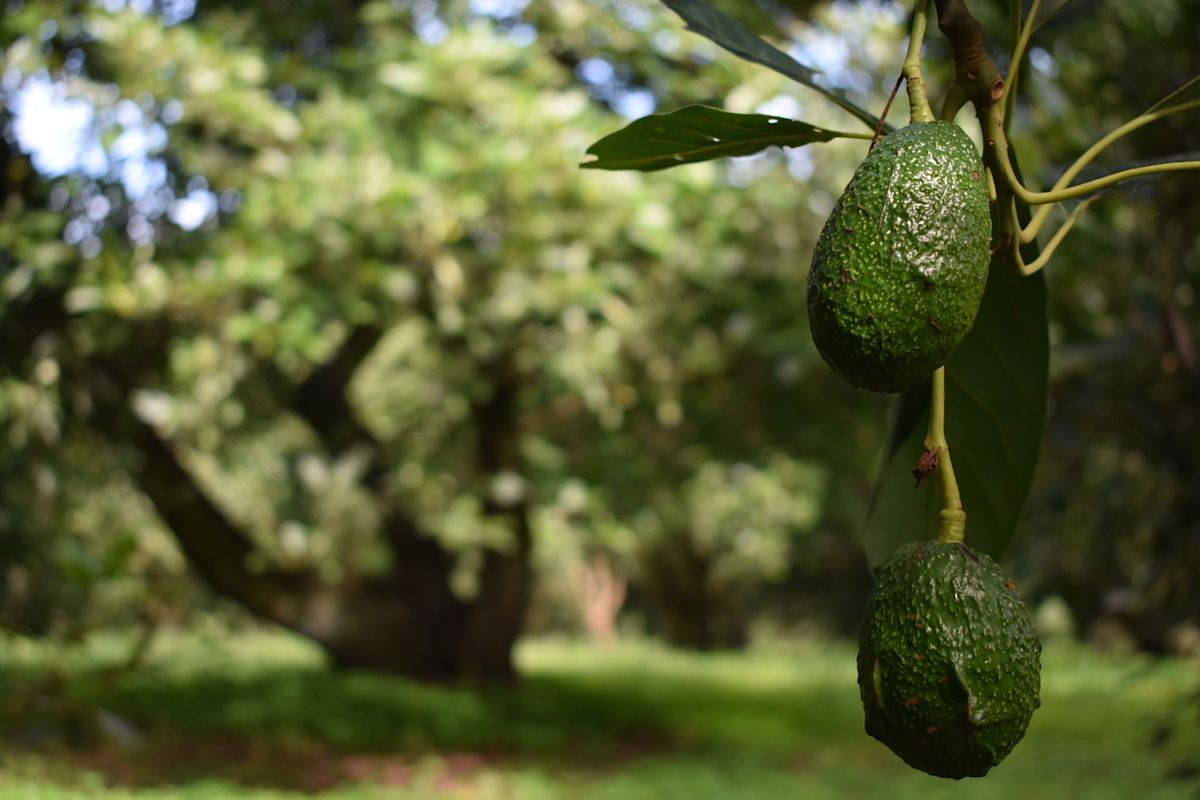
As Francisco noted, the arrival of the avocado industry changed the destiny of the entire region. The ubiquitous green fruit brought unimaginable fortunes and modern infrastructure to rural Michoacán. Yet, alongside that economic miracle came an pervasive atmosphere of terror, extortion, and bloodshed that has fractured communities and struck directly at the heart of families throughout the indigenous enclave.
The physical reality of that menace remains embedded in the orchards lining the winding dirt roads outside the settlement. Óscar, who has suddenly been forced into the role of managing his family's agricultural holdings at a very young age, brought his truck to a stop along a remote stretch of road bordered by lush avocado groves. It was on this quiet path that relatives and authorities discovered his father’s abandoned vehicle following an abduction.
San Ángel Zurumucapio is an indigenous hamlet of roughly 6,000 residents, deeply grounded in its P'urhépecha heritage. For generations, the tight-knit community lived as an extended family where most residents shared distant lineage and communal life centered around periodic rodeos. Before commercial agriculture swept through, economic survival was precarious, and the surrounding land was carpeted by dense stands of timber.
In his youth, Francisco traversed these rugged mountains on horseback, sustaining his household by manually tapping and collecting resin from towering pines. With local opportunities virtually nonexistent, improving one's life required traveling north. Francisco himself migrated temporarily to Texas, enduring grueling manual labor to earn enough money to construct a homestead capable of housing his twelve children.
That migratory path was repeated by his eldest son, Francisco Jr., known locally as Pancho. As a teenager, Pancho traveled to the United States to spend six years laboring on a North Carolina Christmas tree farm. Upon returning to San Ángel to establish a household with his wife, Terésa Pérez, he immediately invested his hard-earned savings into the local soil, clearing woodland to cultivate his first avocado saplings.
The timing of his venture coincided with a watershed geopolitical shift. Under the provisions of the North American Free Trade Agreement, the United States lifted its longstanding 1997 prohibition on importing Mexican avocados. The decision uncapped an insatiable international appetite for the crop, swiftly elevating the state of Michoacán into the epicenter of worldwide avocado production.
Over the ensuing three decades, the soaring global demand fundamentally reshaped the socioeconomic structure of the region, propelling impoverished agrarian laborers like Pancho directly into the middle class. The newfound profits allowed Pancho and Terésa to build a modern residence, purchase new vehicles, take family vacations to coastal resorts, and afford quality schooling and clothing for their three children, Ana, Óscar, and José.
However, the rapid agricultural expansion created profound environmental consequences across the state. The clear-cutting of vast native forests to make room for hundreds of thousands of acres of commercial avocado groves altered the local microclimate, driving up average temperatures and noticeably reducing historical rainfall patterns. Furthermore, the immense cash flow generated by the harvest caught the attention of violent criminal organizations.
By the mid-2000s, heavily armed cartels operating in Michoacán began expanding their financial portfolios beyond the trafficking of methamphetamine, cocaine, and heroin. Viewing the agricultural windfall as a lucrative target, criminal networks systematically moved into the avocado supply chain. Gangs began seizing productive orchards, illegally clearing protected timberlands for illicit planting, and demanding steep protection taxes from growers under pain of death.
In San Ángel Zurumucapio, criminal operatives operated with brazen impunity, parading through residential streets in luxury trucks, smoking narcotics, and blaring loud banda music. For young residents like Óscar, childhood was punctuated by traumatic violence; he was once caught in the middle of a gunfight adjacent to a neighborhood shrine dedicated to the Virgin Mary and had to seek cover when rival factions clashed near his school.
As the cartel presence hardened, kidnappings for ransom became a regular hazard of daily life, with agriculturalists frequently vanishing into the hills until their desperate families could gather sufficient funds. Óscar constantly worried about his father’s safety, particularly because Pancho’s groves were situated in an isolated area miles outside town where Pancho patiently mentored Óscar on the technicalities of soil fertilization and crop disease management.
Despite the pervasive danger, Pancho maintained a gentle, trusting demeanor, preferring quiet evenings at home watching television with his family. While his brothers and neighbors purchased firearms to safeguard their properties, Pancho resolutely refused to carry a weapon, questioning why he would ever need armed defense when he harbored no hostility toward anyone in the community.
The eventual disappearance of the defenseless farmer underscored the relentless breakdown of law and order across the region, turning Pancho into another casualty of the state's rampant kidnapping epidemic. Across the town, collective grief and fury pushed the indigenous community to abandon reliance on outside authorities and establish their own fortified self-defense force, erecting checkpoints and asserting local self-governance.
Today, while armed local guards stand watch behind sandbags to hold predatory gangs at bay, the scars of the avocado trade remain deeply etched into San Ángel Zurumucapio. For families like the Garcías, the green fruit that provided an escape from generational poverty has extracted a devastating human toll, leaving teenage sons like Óscar to shoulder the burden of the harvest in the shadow of enduring loss.








(0)