
Administering prescribed oral medication to a sick feline can quickly transform into an exhausting ordeal for both the pet and the caregiver. Addressing this common household dilemma, Jennifer Vanderau of the Cumberland Valley Animal Shelter shared practical strategies in the organization’s weekly educational feature, "Ask the Shelter," which offers expert guidance on everyday pet care and local animal welfare matters.
The challenge frequently arises when feline companions develop infections requiring a strict regimen of antibiotic pills. Because many cats instinctively resist taking solid tablets and actively fight against the process, owners are often left searching for reliable methods to ensure their pets successfully receive essential medical treatment without excessive distress.
For pet owners seeking a gentle starting point, Vanderau suggests attempting to disguise the medication inside food. Pet parents can try wrapping the tablet within a small portion of wet canned food or utilizing commercially designed pill pockets available at local pet supply stores. While this approach can occasionally prove successful, Vanderau observes that particularly observant felines often detect the hidden pill and reject it, proving that cats are frequently clever enough to outwit basic concealment tricks.
Some frustrated owners might consider chopping or crushing the tablet to mix it into meals, but shelter experts strongly advise against this tactic. Antibiotics and other veterinary medications typically carry an extremely bitter and unpleasant taste. Once the tablet is crushed, the foul flavor permeates the food, prompting the cat to abandon the meal entirely. Furthermore, breaking the medication makes it practically impossible for the caregiver to verify whether the animal ingested the entire prescribed dosage.
When food-based concealment proves ineffective, Vanderau recommends direct administration through a technique known as scruffing. By gently grasping the loose skin at the back of the cat's neck and gently tilting the head backward, the cat's mouth will naturally fall open. This physical posture allows the caregiver a brief opportunity to drop the medication straight into the oral cavity.
To assist with this manual procedure, caregivers can utilize a device known as a pill popper. Available on the commercial pet market, this specialized applicator helps position the pill deeply toward the back of the cat’s mouth. Utilizing this instrument also provides an essential safety buffer, keeping the owner’s fingers safely away from the animal's sharp teeth during the process.
Once the pill has been placed as far back in the throat as possible, caregivers must ensure the cat swallows the dose rather than spitting it out. Vanderau instructs owners to gently close the feline's mouth and lightly massage the neck to prompt the swallowing reflex. In addition, lightly blowing a gentle puff of air directly onto the cat's nose can trigger an instinctive swallow.
Following successful swallowing, owners are urged to administer a small amount of water using an eye dropper or syringe. This crucial step guarantees that the pill moves entirely into the stomach rather than remaining lodged in the throat. As Vanderau emphasizes, certain medications have the potential to cause serious damage to the sensitive lining of the esophagus if allowed to stick along the pathway.
If an owner continues to struggle despite these techniques, the shelter advises reaching out directly to a veterinarian for clinical alternatives. Most veterinary antibiotic medications are also manufactured in liquid formulations, which may offer a considerably smoother administration process for pets that adamantly reject solid tablets.
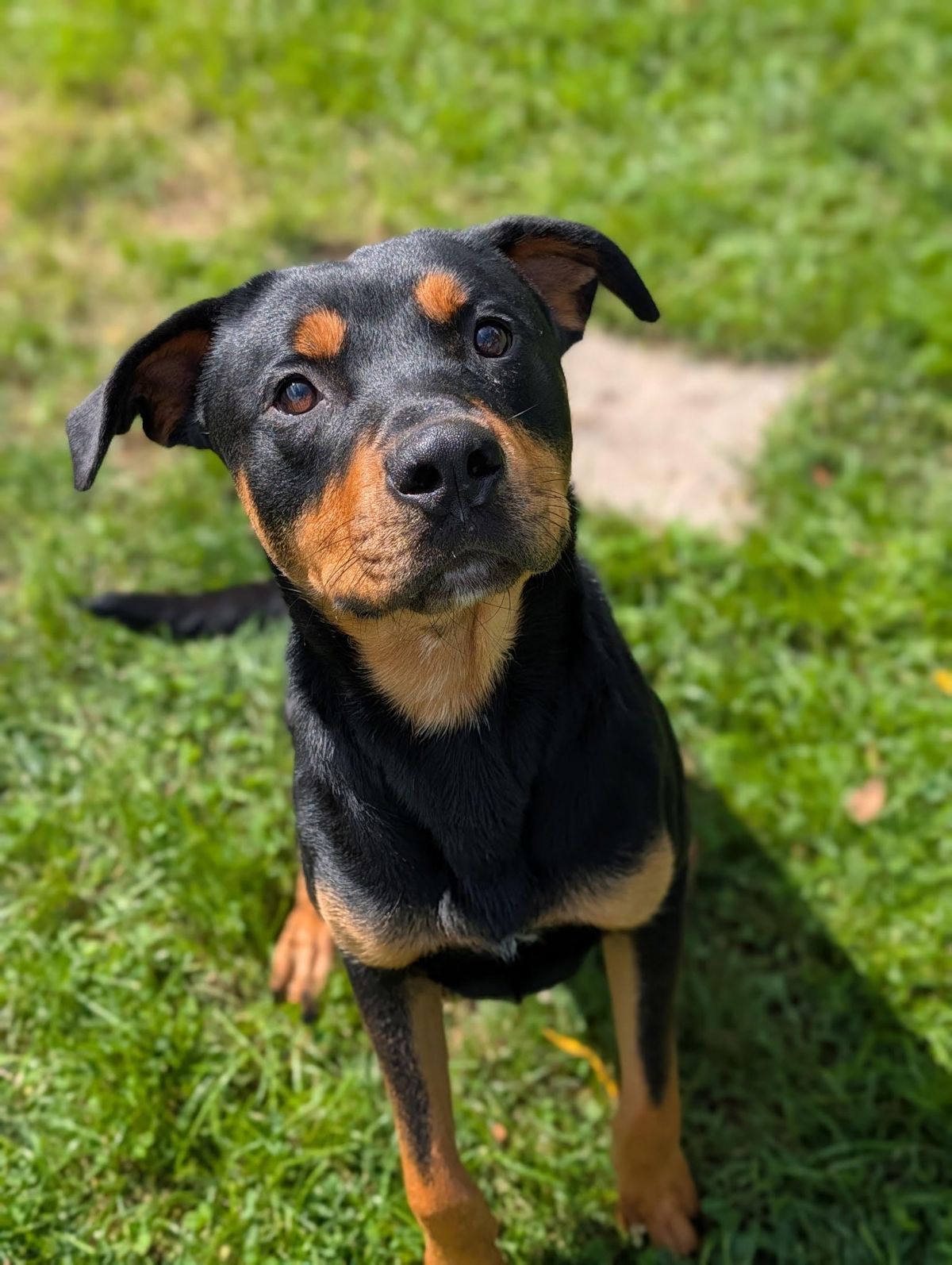
Alongside medical advice, the Cumberland Valley Animal Shelter regularly highlights adoptable rescue animals seeking permanent homes. Among the current shelter residents is Logan, a one-year-old Rottweiler mix who originally entered the shelter’s care as a stray. While little is known about his background, shelter staff describe him as an affectionate and sweet dog who can display mild shyness when entering unfamiliar environments.
Once Logan becomes familiar with his surroundings, his lively and youthful personality emerges. The shelter notes that while Logan has mastered the "sit" command, he has not yet demonstrated knowledge of other cues. During shelter assessments, Logan exhibited interest in a tester cat but was easily redirected, meaning any potential home with resident cats will require careful, supervised introductions. Additionally, the shelter mandates that Logan meet all residing household members prior to adoption.
Also waiting for adoption is Mordecai, a four-month-old buff and orange male kitten who arrived at the facility alongside his littermates: Princess Donut, Carl, and Zev. Described as remarkably sweet with a continuous motor-like purr, Mordecai loves interacting with people and promises to provide companionship and punctually demand his daily meals.
Beyond companion animal care, the shelter addresses human interactions with outdoor wildlife, such as discovering nests of baby wild cottontails while maintaining yards or mowing lawns. Vanderau affirms that individuals who encounter such nests without disturbing the young animals are taking the correct approach.
The shelter stresses that wild animals are best left undisturbed by human interference. Mother rabbits possess an instinctive memory of where their nests are located and routinely return to care for their young when humans are not present. Well-meaning individuals are advised to avoid unnecessary handling or relocation of healthy wildlife nests.
Property owners should simply observe the nest from a distance to determine whether the mother returns. If the parent does not return after one to two days, and the observer is completely certain the nest remained unvisited during unwatched hours, they should contact a licensed wildlife rehabilitator. Residents seeking professional assistance can consult the Pennsylvania Association of Wildlife Rehabilitators via their website at www.pawr.com to establish the safest course of action.
The Cumberland Valley Animal Shelter provides these insights through its weekly "Ask the Shelter" educational initiative. Members of the community with questions regarding domestic pet care or animal welfare are invited to contact public relations coordinator Jennifer Vanderau via email at cvascomm@cvas-pets.org or by calling 263-5791.





(0)