
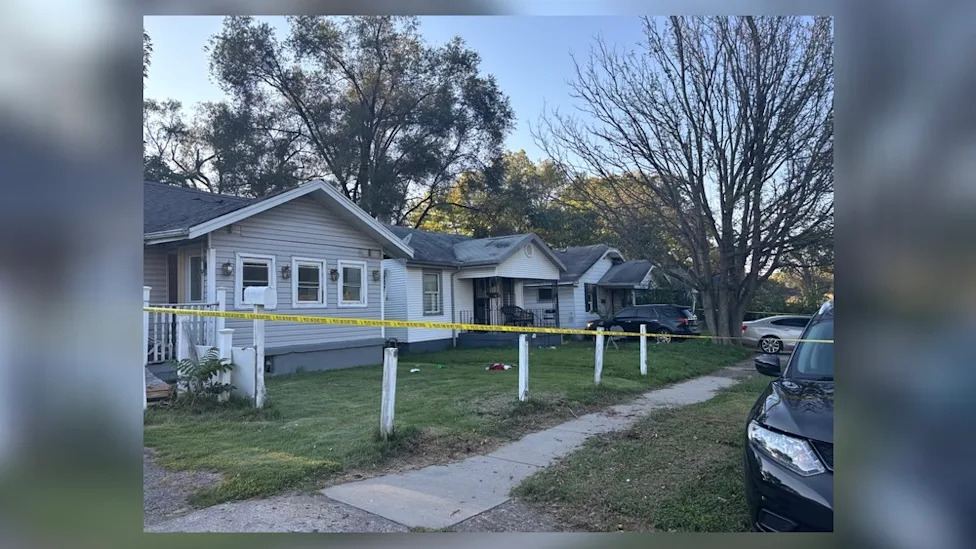
Authorities in Dayton, Ohio, are actively investigating a violent daytime confrontation that left four individuals wounded by gunfire and a young bystander injured by flying debris. The incident, which unfolded on Tuesday afternoon along Westwood Avenue, has reignited urgent conversations surrounding youth safety, street violence, and the critical need for broader community-based intervention strategies throughout the city.
According to preliminary findings released by the Dayton Police Department, gunfire erupted following a dispute, directly striking three adults and one juvenile. In the chaos of the shooting, a second juvenile sustained physical injuries caused by shattered glass, bringing the total number of individuals requiring medical attention to five. Emergency personnel responded promptly to the scene, and medical personnel confirmed that all five victims are expected to survive their injuries.
The immediate aftermath left a significant stretch of Westwood Avenue cordoned off with police tape for several hours. Yellow evidence markers covered the roadway alongside blankets of shattered automotive glass and spent shell casings, reflecting the intensity of the exchange. Forensic specialists and patrol officers remained on the scene well into the evening, meticulously documenting ballistics evidence, measuring trajectory paths, and speaking with residents who heard the sudden burst of gunshots.
Investigators revealed that the shooting stemmed from an altercation between the occupants of two vehicles. According to eyewitness accounts gathered at the scene, individuals inside the two cars engaged in an initial dispute that escalated rapidly. Within moments, weapons were drawn and multiple rounds were discharged, creating widespread panic among nearby neighbors and passersby.
The brazen nature of the daytime incident drew sharp condemnation from law enforcement leadership on site. Dayton Police Department Sgt. Creigee S. Coleman addressed the gathered media, emphasizing that the department maintains zero tolerance for such reckless behavior within city limits. Coleman stated unequivocally that the community cannot accept this type of activity and underscored that even a single shooting incident within the city is entirely unacceptable.
Coleman also provided insight into the extensive investigative operation deployed across the neighborhood. He explained that numerous detectives and specialist officers were tasked to the scene specifically to ensure that every possible lead and piece of physical evidence was gathered. Law enforcement officials worked methodically to reconstruct the exact timeline of events, identify the vehicles involved, and establish accountability for the gunfire that endangered dozens of nearby residents.
Despite the intensive hours spent processing the scene, the Dayton Police Department indicated that specific information regarding suspects or persons of interest was not immediately available for public release. Detectives continue to review nearby surveillance footage and interview witnesses in an effort to trace the vehicles and identify those who pulled the trigger. Authorities have issued an appeal to the public, urging anyone with relevant information or private camera footage to contact police immediately.
As investigators processed the physical evidence on Westwood Avenue, community leaders and street outreach workers also arrived at the scene to assess the impact on the neighborhood. Among those responding was Greg West, a representative of the local outreach organization Felons with a Future. The group works directly on the front lines of urban neighborhoods, aiming to prevent violent escalations and mentor at-risk individuals before disputes become fatal.
West voiced deep distress regarding the persistent cycle of neighborhood shootings, placing particular emphasis on the devastating toll the violence takes on children and youth. Observing another scene marked by gunfire and wounded minors, West stressed that the ongoing community bloodshed must be brought to an end, particularly when young people are repeatedly caught in the crosshairs of adult conflicts.
Speaking about his team's mission, West explained that the members of Felons with a Future utilize their own lived experiences to connect with individuals involved in street conflicts. He noted that while none of the crew members claim to be saints, their personal histories provide them with a deep, firsthand understanding of the struggles that local youth face. According to West, this shared background fosters genuine empathy, allowing outreach workers to build trust and effectively communicate with young people in crisis.
West also pointed to the urgent necessity of expanding structured violence prevention efforts, specifically highlighting Dayton's Violence Interruption Program. The initiative is designed to place credible messengers directly into high-risk areas to mediate active disputes and steer potential offenders toward constructive pathways. However, West explained that current financial limitations and a lack of resources are preventing the program from establishing a presence in additional neighborhoods across the city.
Reflecting on the frequency of recent gun violence, West lamented that the community has faced one traumatic incident after another in rapid succession. He argued that the continuous string of violent encounters demonstrates why local leaders and stakeholders must identify new funding mechanisms and resources to expand violence interruption efforts into every neighborhood that requires support.
The daytime gunfire on Westwood Avenue stands as a stark reminder of the dual challenges facing Dayton: the immediate need for effective law enforcement response to apprehend dangerous offenders, and the long-term necessity of funding grassroots prevention programs that address the root causes of urban violence. As the investigation into Tuesday's shooting continues, both police and community advocates remain focused on preventing further retaliation and restoring safety to the city's streets.





(0)