
The Supreme Court has halted an effort by the Trump administration to impose last-minute restrictions on mail-in voting, ruling against the United States Postal Service in a 7-2 emergency order on Monday evening. The decision prevents the federal government from implementing a controversial directive that could have disrupted ballot distribution across the nation in the upcoming midterm elections.
The high court’s ruling arrived as an unsigned, three-sentence order denying emergency relief sought by federal officials. In its brief statement, the court concluded that the government was unlikely to succeed on the legal merits of its challenge against a lower court’s preliminary injunction, adding that equitable factors did not support granting a stay ahead of the nationwide vote.
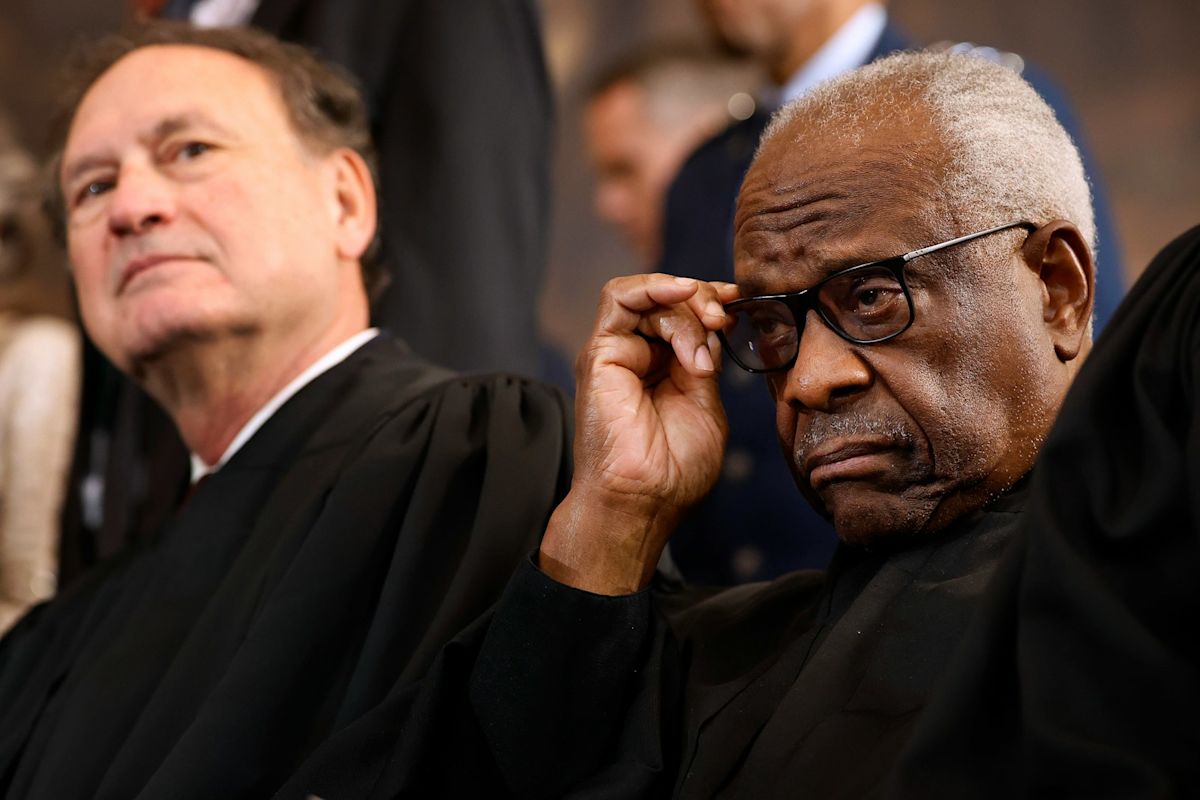
The decision featured a notable division among the justices, with Justices Clarence Thomas and Samuel Alito dissenting in support of the administration’s postal policy. Meanwhile, Justice Brett Kavanaugh joined the majority in blocking the immediate rollout of the measure, though he issued a concurring opinion signaling potential receptiveness to implementing similar Postal Service rules in future election cycles.
At the center of the legal dispute was a rule issued last month by the Postal Service that sought to alter how absentee and mail-in ballots are processed. Under the planned mandate, postal workers would have been instructed to refuse delivery of ballots to eligible voters unless those ballots were enrolled in new, untested registration systems that the postal agency was developing on short notice.
The administration defended the policy as a mechanism to enhance the tracking and visibility of Federal Ballot Mail, asserting that the safeguards were intended to help detect potential election fraud. However, critics and election analysts have repeatedly pointed out that claims of widespread fraud in American elections remain unsupported by empirical evidence.
The regulatory push also unfolded against the backdrop of explicit public statements from President Donald Trump. On his personal social media platform, the president had openly stated his objective to eliminate mail-in ballots entirely, creating tension between the administration’s formal legal arguments and its public political rhetoric.
Mail-in voting has become a central pillar of American democracy, with roughly one in three voters casting their ballots by mail during the 2024 elections. Furthermore, several states conduct their elections almost entirely through the mail, meaning any sudden interruption to postal delivery schedules would have an immediate impact on hundreds of thousands of registered voters.
State and local election administrators throughout the country strongly opposed the federal initiative, cautioning that its enforcement would trigger mass confusion and disenfranchisement. Election officials emphasized that preparations for the midterms were already far advanced, with many jurisdictions having already printed and processed ballots and official return envelopes without the newly demanded formatting.
Local authorities emphasized that they possessed neither the time nor the administrative resources to redesign their election machinery weeks before voting began. Legal challengers argued that the postal directive amounted to an unprecedented federal takeover of state-run election systems, placing local voting procedures under the control of a federal agency for the first time in modern American history.
A coalition of states, led by California, successfully challenged the mandate by framing their arguments around conservative legal principles, specifically invoking the major-questions doctrine. This legal standard holds that federal agencies cannot claim broad authority to resolve matters of vast economic and political significance without clear, explicit authorization from Congress.
In their court filings, the state plaintiffs asserted that federal law contains no provision granting the Postal Service the legal power to withhold ballot deliveries. The states argued that while federal statutes specifically list the categories of materials that postal authorities are legally permitted to refuse, official election ballots are not among those enumerated exclusions.
The plaintiffs drew direct parallels to earlier landmark rulings from the Supreme Court’s conservative majority, citing decisions that struck down the Biden administration's student-debt cancellation program, federal workplace COVID-19 testing mandates, and Obama-era environmental regulations for power plants. The states argued that altering national voting access carried even greater political significance than the policies invalidated in those earlier rulings.
In resolving the emergency petition, the justices applied a balance-of-equities test, weighing the prospective harms of disrupting election procedures against the federal government's claims. By denying the stay, the court reinforced the principle that major administrative revisions to voting rules should not be imposed on the eve of a national election.
The brief disposition stands in contrast to the court's actions from the previous month, when it issued an unsigned ten-page opinion addressing an earlier challenge to the underlying executive directive. In that earlier decision, the justices dismissed the lawsuit on procedural and standing grounds, characterizing the internal deliberations of executive agencies as premature for judicial intervention.
While that initial dismissal left the final outcome in doubt, the court's subsequent ruling effectively preserved existing mail-voting procedures for the upcoming midterms. Nevertheless, the dissenting stances of Justices Thomas and Alito, combined with Justice Kavanaugh’s forward-looking concurrence, indicate that legal battles over federal oversight of mail balloting are likely to resurface in subsequent election cycles.







(0)