
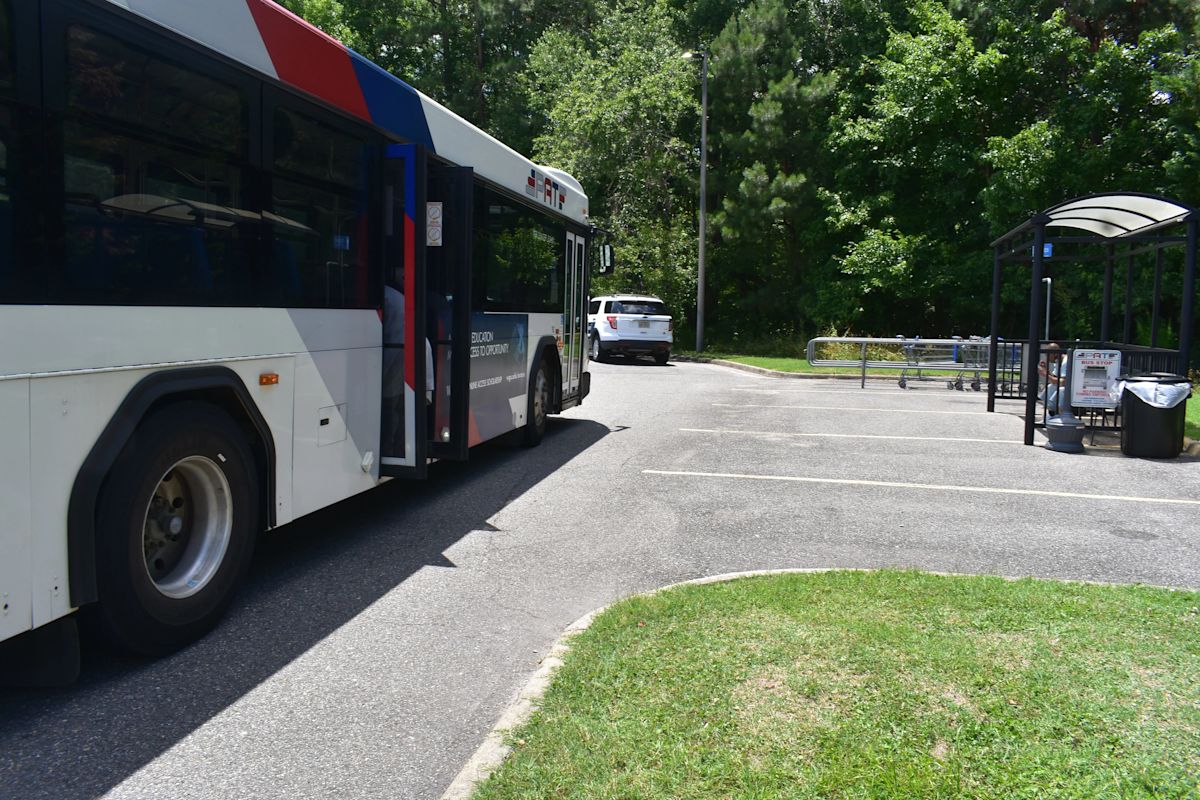
Petersburg Area Transit has enacted a strict limitation on bus hold durations across its municipal transit network, responding directly to growing complaints from riders who experienced disruptive schedule delays caused by buses idling too long at stops. The regional transit authority confirmed that waiting periods at scheduled stops will now be confined to a firm five-minute window, a measure intended to keep vehicles moving steadily and reduce travel times for the commuting public.
The scheduling change was announced via an official Facebook update published on September 12, with the agency noting that the revised policy took effect immediately. Transit officials characterized the intervention as an urgent corrective step designed to improve overall transit efficiency, eliminate excessive vehicle dwell times, and establish greater predictability across the city's bus lines.
For many local residents who depend on the bus network for their everyday transportation, prolonged hold periods at various stops had created substantial obstacles in their daily routines. Commuters repeatedly expressed frustration that vehicles lingered at stops for extended durations, ultimately making it difficult or impossible for passengers to arrive punctually for critical employment shifts, workplace duties, and essential medical appointments.
Within the public transportation sector, scheduled "holds" refer to predetermined periods during which a bus is instructed to remain stationary at designated checkpoints along its route. These operational pauses are typically integrated at route endpoints, major transfer hubs, and high-traffic connection centers to help transit systems synchronize their operations and maintain structured service pacing.
Transit agencies traditionally implement holds to preserve uniform service intervals across an entire transit system, prevent buses from running ahead of timetable projections, and give transferring passengers enough time to make connections between overlapping bus routes. However, transit leadership acknowledged that when these pauses extend beyond necessary limits, they disrupt schedule consistency and penalize passengers onboard who need to reach their destinations promptly.
To further regularize schedule management under the new policy, Petersburg Area Transit has standardized bus departures from its primary central transfer facility. Agency officials confirmed that buses across all operating routes are now scheduled to depart the downtown transit station situated on West Washington Street at precisely 15 minutes past each hour throughout the service day.
In addition to capping hold times at the five-minute threshold, transit officials provided detailed guidance to help passengers navigate systemwide schedules more effectively. The agency emphasized that riders should proactively account for potential roadway delays and unforeseen traffic congestion that might arise during their daily travels across the city.
As part of this public advisory, the transit agency suggested that passengers plan their journeys so that they arrive at least one full hour ahead of any scheduled work shift or medical appointment. Adopting this expansive travel buffer affords riders the opportunity to catch an earlier scheduled bus if unexpected traffic bottlenecks or transit disruptions occur.
Petersburg Area Transit currently operates a comprehensive municipal system consisting of 15 distinct bus routes running from Monday through Saturday. The network is divided into 10 daytime routes designed to handle core daytime commuting needs and five nighttime routes intended to facilitate travel during evening hours.
The operating schedule for daytime routes begins early in the morning at approximately 6:15 a.m. and continues throughout the afternoon until roughly 6:10 p.m. Following a brief operational transition, the evening schedule resumes at approximately 7:15 p.m. and operates until roughly 10:15 p.m. to serve late-shift workers and evening riders.
The decision to restrict hold times comes at a pivotal juncture as Petersburg Area Transit confronts broader systemic infrastructure challenges. The agency is currently undertaking efforts to overhaul and modernize an aging fleet of vehicles while concurrently attempting to secure a suitable new property to replace its existing maintenance facility located on Fairgrounds Road.
Aging equipment has placed severe strain on PAT’s daily operations, with more than half of the 43 buses in the agency’s active fleet having already exceeded their federally established operational shelf life. Under federal transportation standards, public transit buses reach the end of their benchmark lifespan once they complete 12 years of service or accumulate 500,000 miles on the road.
The continued operation of aging buses has led to notable reliability issues across the service area, including unexpected vehicle breakdowns occurring while buses are in the middle of active passenger routes. In addition, the agency has contended with mechanical failures affecting vehicle climate systems, resulting in buses operating without functioning air conditioning during the hottest days of the summer season.
By establishing a firm five-minute ceiling on bus holds, Petersburg Area Transit hopes to immediately alleviate rider frustrations and improve scheduling consistency while it continues to pursue long-term solutions for its aging fleet and maintenance facilities.





(0)