
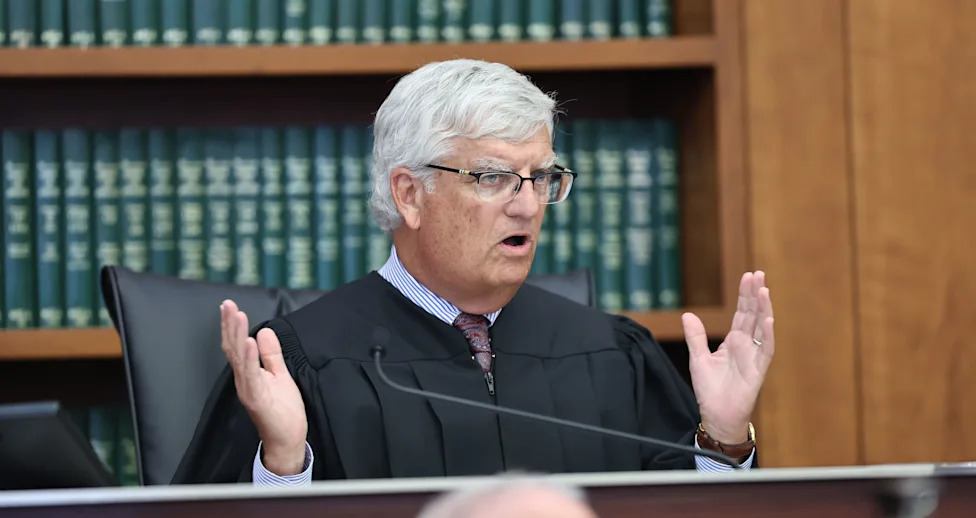
In a decisive measure intended to protect citizen participants from escalating public hostility and harassment, a Massachusetts superior court judge has issued an indefinite extension of an order shielding the identities of all jurors who served in the high-profile murder trial of Lindsay Clancy. Plymouth Superior Court Judge William Sullivan ruled that the names and personal information of the panel members must remain sealed to safeguard their well-being and uphold the integrity of the judicial process.
The formal decision, signed by Judge Sullivan on September 14, 2026, comes in the immediate wake of a deeply polarizing and emotionally charged legal battle that captured widespread attention. In his order, Sullivan emphasized that the trial had generated immense public interest and intense division both throughout Massachusetts and beyond, creating an environment fraught with potential danger for those tasked with evaluating the evidence.
The court proceedings concluded earlier this month when Judge Sullivan declared a mistrial after the jury reported being hopelessly deadlocked. Despite extensive deliberations, the panel was unable to reach a unanimous verdict on the criminal charges, leaving the case unresolved and intensifying external scrutiny surrounding the deliberative process and the individuals who participated in it.
Clancy, a mother from Duxbury, Massachusetts, stands accused of killing her three young children in January 2023. The tragedy and the subsequent criminal proceedings have generated relentless public fascination, drawing extensive news coverage and sparking impassioned debates across the region regarding the circumstances of the case.
Throughout the duration of the trial, courtroom proceedings were broadcast to the public via live video streams, amplifying public engagement and driving continuous, real-time reactions across digital forums. In his ruling, Judge Sullivan noted that the livestreaming of the trial contributed to non-stop commentary and speculation on social media networks, where public sentiment remained sharply divided and highly volatile.
The heightened public interest translated into concrete security concerns during the trial itself. Court records highlighted several alarming episodes, including the arrest of an individual who allegedly recorded jurors in secret as they exited the Plymouth courthouse. The woman accused in the incident now faces charges relating to juror intimidation, underscoring the tangible risks faced by the panel.
Beyond physical surveillance outside the courthouse, jurors were subjected to aggressive online behavior. Judge Sullivan referenced unauthorized disclosures where personal and identifying details of jury members were obtained and shared across internet channels without their consent. The digital landscape surrounding the trial was further marred by reports of doxing efforts, death threats, and public fundraising campaigns that exacerbated tensions.
The impoundment extension was prompted, in part, by direct appeals from within the jury box itself. According to the court order, at least one juror explicitly requested that the protective seal remain in place indefinitely, expressing serious apprehension regarding the ongoing threat of retribution, harassment, or unwanted public intrusion.
In weighing the decision to withhold the identities, Judge Sullivan addressed the competing legal interests of government transparency and personal safety. The judge acknowledged that under standard Massachusetts judicial practice, the identities of seated jurors are generally considered public records accessible to the press and the public once a trial concludes.
However, Sullivan concluded that the exceptional circumstances of the Clancy case provided clear legal justification to deviate from standard disclosure rules. The judge found that there was good cause to maintain strict confidentiality, determining that the threat of physical harm and emotional distress to the jurors remained both real and present.
The court determined that releasing the comprehensive roster of juror names at this stage could result in immediate and irreparable injury to the individuals who performed their civic duty. Consequently, Judge Sullivan ordered that the impoundment remain in full effect until further notice, effectively barring the court clerk and related officials from releasing the official list.
While the court's decree prohibits official administrative disclosure of the jury roster, it does not impose a gag order on the jurors themselves. The ruling explicitly clarifies that individual jurors retain the personal right to disclose their own involvement, participate in media interviews, or comment publicly on their deliberations if they voluntarily choose to do so.
In the days following the mistrial declaration, a small number of jurors chose to speak publicly and discuss their experiences inside the deliberative chamber. Nevertheless, the court noted that the vast majority of both deliberating panel members and alternate jurors have steadfastly declined interview requests from the media, preferring to preserve their privacy and remain anonymous.
The unresolved criminal charges against Clancy now enter a complex legal phase as both the prosecution and defense prepare for further courtroom arguments. Defense attorneys have initiated efforts to seek an outright acquittal following the mistrial, arguing that the evidence presented by the commonwealth during the trial was legally insufficient to sustain a conviction.
Prosecutors and defense counsel are scheduled to return to Plymouth Superior Court later this month to argue post-trial motions and determine the subsequent steps in the case. With the prosecution weighing its options regarding a potential retrial, the court's decision to shield the former jurors highlights the ongoing challenge of insulating the justice system from digital-era pressures and intense public scrutiny.







(0)