
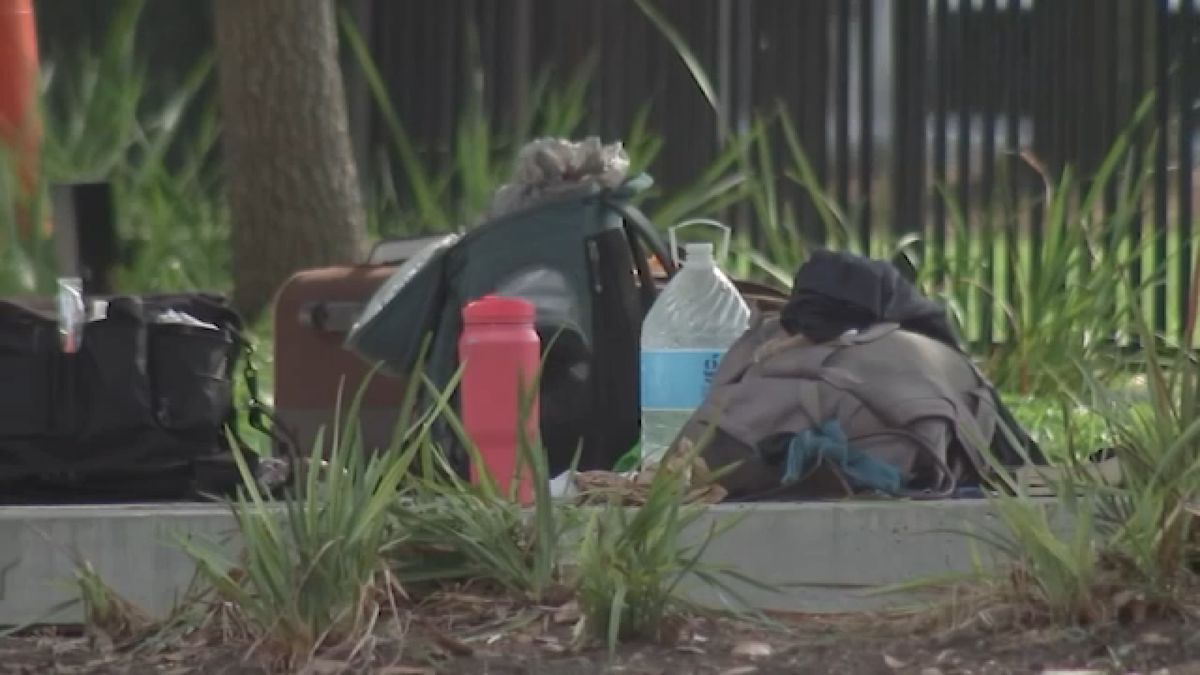
In an ongoing effort to address homelessness and facilitate stable living conditions across the region, municipal officials in Houston have moved to adjust and expand key funding initiatives. The City of Houston’s Housing and Community Development Department has formally introduced a series of recommendations designed to strengthen local housing networks and bolster targeted intervention programs.
The proposed adjustments, presented at the beginning of the week, include both modifications to existing municipal pacts and the formal introduction of brand-new contractual agreements. These strategic funding shifts aim to optimize how resources are distributed to organizations and state partners working on the frontlines of the city's housing challenges.
A central component of the department’s recommendations involves providing substantial financial reinforcement to established local service providers. Among the primary beneficiaries under the proposed plan is The Beacon of Downtown Houston, an organization dedicated to assisting individuals and families facing severe housing vulnerability.
Under the terms outlined by the housing department, The Beacon is slated to receive a significant boost in municipal support, with recommendations calling for up to an additional $485,000 in Community Development Block Grant funding. These federal grant dollars are intended to directly support operational expansions and specialized intervention programs managed by the nonprofit.
Department leadership emphasized that this additional financial allocation will be channeled into critical frontline services, particularly case management, diversion efforts, and rapid resolution strategies. These measures are specifically tailored to help households that are currently unhoused or facing an immediate threat of becoming homeless.
Melody Barr, the Assistant Director of the Housing and Community Development Department, explained that the collaboration with The Beacon is designed to operate as a streamlined, centralized access point. Through this consolidated framework, unhoused residents can receive comprehensive wraparound case management tailored to their unique circumstances.
According to Barr, the primary objective of this centralized model is to seamlessly connect vulnerable households with essential housing support systems alongside an array of community-based resources. By coordinating these services under one umbrella, the city aims to provide immediate pathways toward stability rather than temporary stopgaps.
Municipal officials anticipate that this heightened focus on individualized diversion and rapid response will meaningfully reduce the strain placed on local crisis infrastructure. As Barr noted, the overarching ambition is to resolve instances of housing instability swiftly, thereby curbing dependence on traditional emergency shelters and halting the progression into chronic, long-term homelessness.
Alongside the expanded partnership with downtown service providers, the Housing and Community Development Department’s proposal features major agreements with state-level housing authorities. The department has recommended entering into significant new contracts directly with the Texas Department of Housing and Community Affairs.
The largest of these proposed state agreements involves a contract valued at more than $1.28 million. This funding stream is earmarked to bolster the Texas Homeless Housing and Services Program, which provides dedicated resources across municipalities to tackle systemic housing distress.
Barr detailed the specific statutory mandates governing these state funds, underscoring that the general set-aside allocation is strictly reserved for activities that directly prevent or eradicate homelessness. The funding framework requires targeted spending that moves beyond short-term relief to establish durable housing options.
Specifically, the eligible uses for this state allocation encompass the direct construction, development, and acquisition of residential properties designated for unhoused individuals. This structural approach seeks to expand the tangible physical inventory of supportive housing throughout the Houston metropolitan area.
These newly proposed funding measures arrive on the heels of other major municipal investments in physical housing infrastructure. Just a few months prior, the city achieved a key milestone by opening a specialized facility located at 419 Emancipation, widely recognized as a dedicated homeless "super hub."
The Emancipation facility was established to serve as a comprehensive residential site, offering shelter and living space for individuals experiencing homelessness as they work toward long-term stabilization. The opening of the hub marked a significant step in the city's operational approach to housing management.
Following the latest departmental funding proposals, inquiries were submitted to the Housing and Community Development Department seeking official updates on the progress and performance of the 419 Emancipation super hub. Inquiries also requested historical data regarding the total population of unhoused residents in Houston over the past several years.
Officials with the housing department acknowledged the inquiry and confirmed that staff are actively compiling the requested data and program updates. As the department prepares this information for public release, city leaders continue to advance the proposed grant allocations to sustain Houston’s broader homelessness strategy.





(0)