
Garden enthusiasts seeking to introduce texture, depth, and a serene atmosphere to their outdoor spaces are increasingly turning to bell-shaped and pendulous blossoms. Characterized by their nodding silhouettes and graceful forms, these distinctive flowers provide visual intrigue across a wide variety of landscaping applications. Whether planted in expansive mixed borders, tucked alongside garden pathways, or cultivated in patio containers, bell-form blooms introduce an understated elegance that complements both traditional and modern landscape designs.
Horticultural experts note that the primary appeal of bell-shaped varieties lies in their sheer aesthetic and structural diversity. From towering floral spires capable of anchoring shady alcoves to low-growing groundcovers that carpet woodland floors, these selections span multiple growing habits and blooming cycles. Gardeners can strategically select complementary specimens to maintain continuous color, varied heights, and diverse pollinator resources from the late chill of winter through the height of summer.
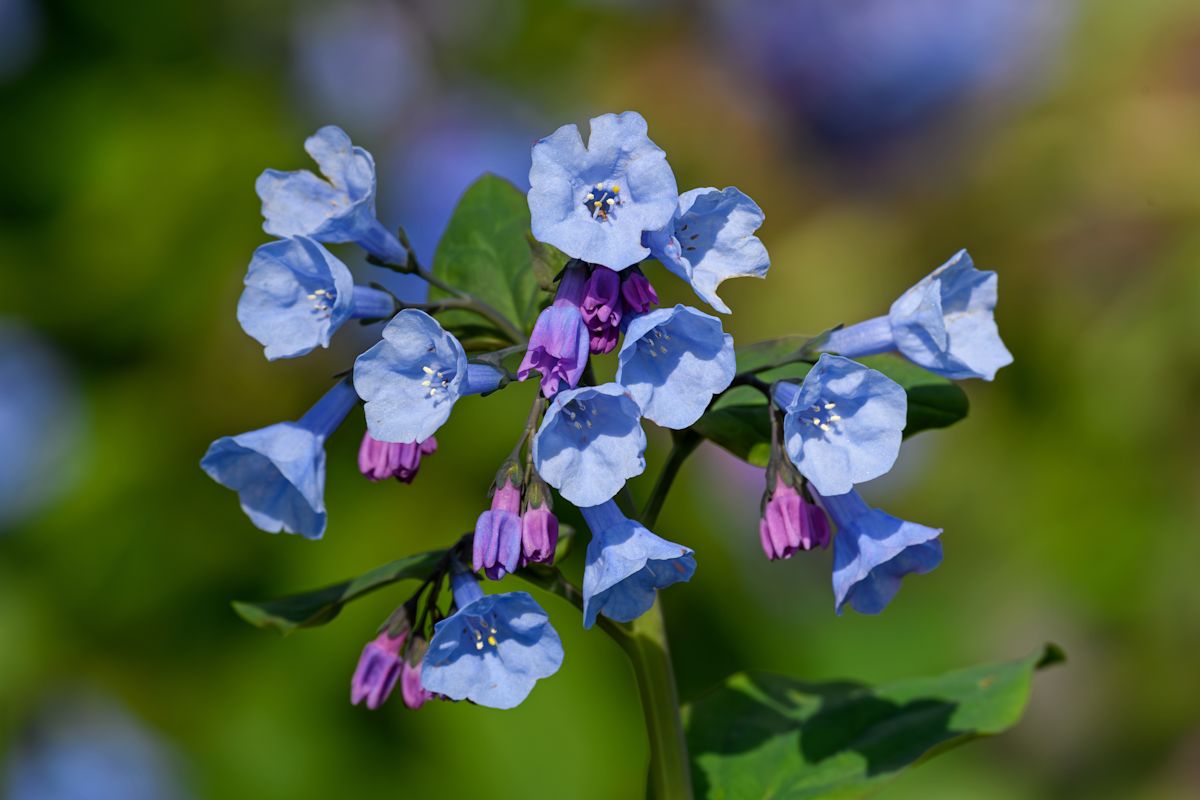
Among native North American spring bloomers, Virginia Bluebells offer a dramatic seasonal display. Indigenous to the eastern United States, these plants feature soft gray-green foliage and upright stems reaching up to 24 inches in height. As the buds open, the tubular flowers transition through an enchanting color shift from soft pink to vibrant clear blue. They naturalize readily in woodland settings, creating sweeping drifts of early-season color before gracefully slipping into summer dormancy.
Gardeners managing low-light spaces can also integrate Bellwort, a native spring wildflower renowned for its shade tolerance in USDA Hardiness Zones 4 through 9. Bellwort produces delicate, nodding blossoms defined by elongated yellow petals that bring brightness to shaded beds. Its understated habit makes it an exceptional understory companion for emerging woodland perennials, providing early visual appeal when other plants are just awakening.
For landscapes requiring specialized pest deterrence alongside ornamental appeal, Fritillaries present an ideal solution. Known for their unique, checkered patterns and hanging bell shapes, these specialty bulbs flourish in cool, well-drained earth located within partial shade. Beyond their distinct look in woodland settings, Fritillaries naturally deter burrowing rodents and squirrels. While varieties like *Fritillaria imperialis* are sometimes treated as annual additions, they can reliably rebloom as true perennials when optimal soil and moisture criteria are met.
Vertical dimension is another crucial element in shaded beds, perfectly supplied by Foxglove. Capable of flourishing across USDA Zones 4 through 10, Foxglove produces stately spikes loaded with tubular, bell-like blossoms from late spring into early summer. These dramatic floral towers elevate shaded beds, providing strong vertical lines that counterbalance lower-lying understory plantings while maximizing vertical color payoff.
Closer to the ground, Coral Bells (*Heuchera spp.*) offer dependable beauty in shaded and woodland environments. Valued equally for their dense mounds of colorful foliage and airy wands of tiny bell blooms, these low-growing perennials offer exceptional disease resistance. Their nectar-rich flower spikes rise delicately above the foliage canopy, drawing pollinating insects to support broader backyard ecosystem health throughout the growing season.
Early-season interest begins before spring officially arrives with the emergence of Snowdrops. Capable of pushing through cold soil in late winter, these resilient perennials produce delicate white bells in partially shaded beds. Remarkably adaptable, Snowdrops can thrive in clay soils provided the ground is not overly compacted and maintains adequate drainage, signaling the end of winter well ahead of other standard garden perennials.
In bright, open exposures with challenging ground conditions, Beardtongue (*Penstemon*) proves to be an outstanding sunny perennial. Performing reliably across Zones 3 through 9, Beardtongue features prominent, long-lasting flowers characterized by a distinctive pollen-free stamen. Reaching mature heights of up to four feet, the plant prospers in rocky, nutrient-poor, well-drained soils under full sun, requiring only weekly watering during dry summer stretches.
For structural mass in sunny garden layouts, the flowering shrub Weigela delivers vigorous growth up to six feet in height. Thriving in full sun and showing strong adaptability to clay-heavy substrates, Weigela produces dense clusters of pink to red blossoms. Its floriferous branches serve as a focal point in borders while offering valuable nectar stops for neighborhood pollinators during its primary blooming window.
Indoor and outdoor gardeners alike frequently rely on Hyacinths to bring rich color and intense seasonal fragrance to the landscape. Available in an array of shades spanning crisp white, deep blue, and soft pink, these spring-flowering bulbs can be planted in well-drained exterior beds or forced indoors to provide early fragrance. Their compact, densely packed bell florets make them staple elements in formal borders and early patio containers.
True Bellflowers further enrich sunny landscape beds with their classic, open-faced bells in shades of blue, white, and purple. Highly favored for mixed perennial borders, Bellflowers are celebrated for their nectar-rich blooms, which consistently draw bees and other pollinators. Meanwhile, Golden Columbine (*Aquilegia chrysantha*) brings architectural complexity with its distinctive five-spurred, bright yellow blooms set against dark, clover-shaped foliage. Well-suited for rock gardens, slopes, and ledges, Columbine attracts wildlife while offering natural deer resistance.
Gardeners working to balance sun and shade can easily combine traditional Daffodils (*Narcissus*) and Lungwort (*Pulmonaria*). Daffodils, hardy in Zones 3 through 8, showcase classic trumpet-shaped cups encircled by outer petals; they require well-drained soil in full or partial light and naturally multiply over time. Beneath them, Lungwort thrives in dense shade, displaying textured, hairy leaves that deter browsing deer while opening delicate early-spring blossoms.
For vertical coverage in hot, sunny locations, Morning Glory vines complete the palette with their large, trumpet-like blue flowers. Operating on a diurnal cycle, these blooms unfurl each morning before closing in the afternoon heat. Flourishing in well-drained soil with consistent moisture, Morning Glories function as rapid-growing annuals in temperate zones or perennials in milder climates, providing a reliable daily spectacle of vibrant color.








(0)