
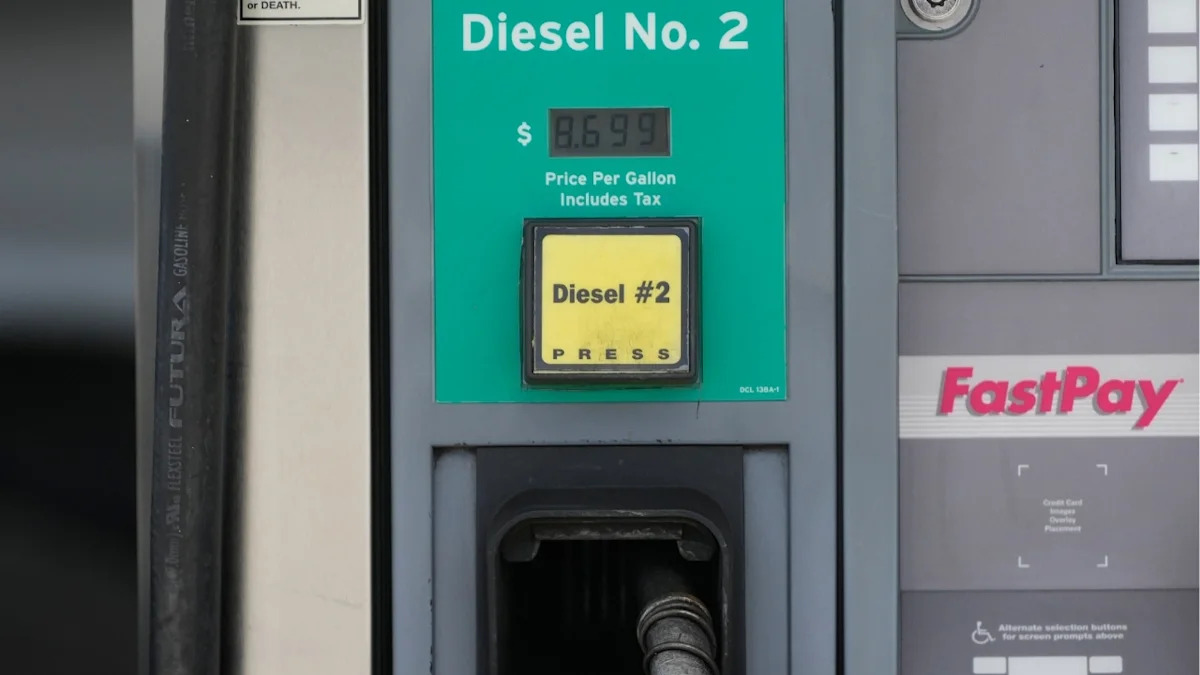
Commercial motorists and transport operators across California are confronting unprecedented operational expenses as retail diesel prices reach all-time highs across the state. In several locations throughout the San Francisco Bay Area, retail filling stations have begun listing diesel fuel at rates closing in on nine dollars per gallon, underscoring an extraordinary escalation in commercial energy costs.
The rapid climb in fuel prices has established new historical benchmarks across the state, making California the most expensive domestic market for commercial transportation fuel. While vehicle operators in the region have long been accustomed to paying a premium at the pump compared to other parts of the country, current figures represent an extraordinary financial burden for freight companies and independent transport contractors.
Across select retail locations in the Bay Area, digital price boards have climbed toward the nine-dollar threshold, reflecting severe localized pressure on fuel supplies and distribution networks. These pricing peaks are particularly visible in high-traffic urban corridors and densely populated transit zones, where retail margins and overhead costs compound broader energy market increases.
The surge in diesel costs carries broad economic ramifications due to the critical role heavy-duty fuel plays in the movement of goods, industrial production, and agricultural logistics. Unlike standard passenger vehicle gasoline, diesel is the primary energy source powering commercial freight fleets, maritime tugs, rail freight, and heavy construction equipment across the western United States.
Market observers note that regional supply imbalances have contributed substantially to the widening gap between West Coast fuel values and national benchmarks. The Pacific Coast petroleum distribution market operates largely in isolation from major refining hubs in the Gulf Coast, leaving California dependent on in-state refining facilities and specialized waterborne imports.
When regional refining capacity faces unexpected maintenance outages or scheduled operational turnarounds, local inventories of middle distillates quickly tighten. This structural isolation limits immediate replenishment options, driving rapid price swings at wholesale terminals that are swiftly passed along to commercial retail pumps.
California's unique environmental mandates also play an established role in shaping wholesale and retail fuel prices. The state enforces stringent Low Carbon Fuel Standards and distinct seasonal fuel formulations engineered to reduce carbon emissions and regional air pollution, requirements that entail higher processing expenses for refiners operating within the jurisdiction.
In addition to regulatory compliance mandates, state and local fuel excise taxes significantly elevate retail totals. California maintains some of the nation's highest per-gallon levies on motor fuels, ensuring that baseline costs remain elevated even before international crude price movements and refinery surcharges are factored into the final pump calculation.
The cascading effects of near-nine-dollar diesel are felt immediately throughout the supply chain, where freight carriers must either absorb severe margin compression or introduce escalating fuel surcharges to their shipping contracts. For small-scale fleet owners and independent owner-operators, fuel typically represents the single largest variable operating expense, leaving little room to maneuver during prolonged pricing spikes.
Higher transportation expenditures ultimately filter down to everyday consumers through increased prices for food, household goods, and retail merchandise. Because freight logistics are embedded into nearly every stage of the retail supply network, rising delivery overheads tend to exert persistent upward pressure on broader consumer price indices across the region.
The agricultural industry, concentrated heavily in California’s fertile interior valleys, faces corresponding budget pressures during critical planting and harvesting cycles. Farm machinery, irrigation pumping systems, and short-haul crop distribution trucks depend heavily on diesel fuel, meaning extended price peaks directly impact food production costs from the farm gate to regional distribution centers.
Municipal service providers and public construction initiatives are similarly managing budgetary strain tied to elevated fuel costs. Infrastructure improvement projects, public transit fleets operating diesel-hybrid systems, and emergency service vehicles must all contend with rising fleet management expenditures that can outpace allocated municipal fiscal budgets.
Energy analysts monitoring commodity markets continue to track global crude pricing trajectories, refining margins, and import schedules to evaluate whether these record-setting retail levels will sustain into future quarters. Until regional inventories stabilize and refinery throughput aligns more closely with commercial demand, volatility is expected to remain a prominent feature of California’s wholesale and retail fuel landscape.
As Bay Area fuel stations maintain historically elevated price boards, businesses and logistical operators throughout California continue adapting to the immediate financial pressures generated by record diesel costs, navigating an increasingly challenging economic environment across the state's transport corridors.






(0)